Archives For November 30, 1999

In three short years, the Region 6 School District in Connecticut has rolled out several technology initiatives at the Wamogo High School -1:1 netbooks  in English/Social Studies classrooms, Smartboards in all classrooms, I-pads for teachers- in order to prepare all students with 21st Century skills.

These technology initiatives have allowed members of the English Department to incorporate wikis,  specifically wikis hosted on the PBWorks site, in providing instruction to students in grades 7-12. These wikis serve in different ways in each of the English classrooms. Teachers can post assignments, provide links to websites or resources; students can make their own webpages with information or make comments on other students’ works.
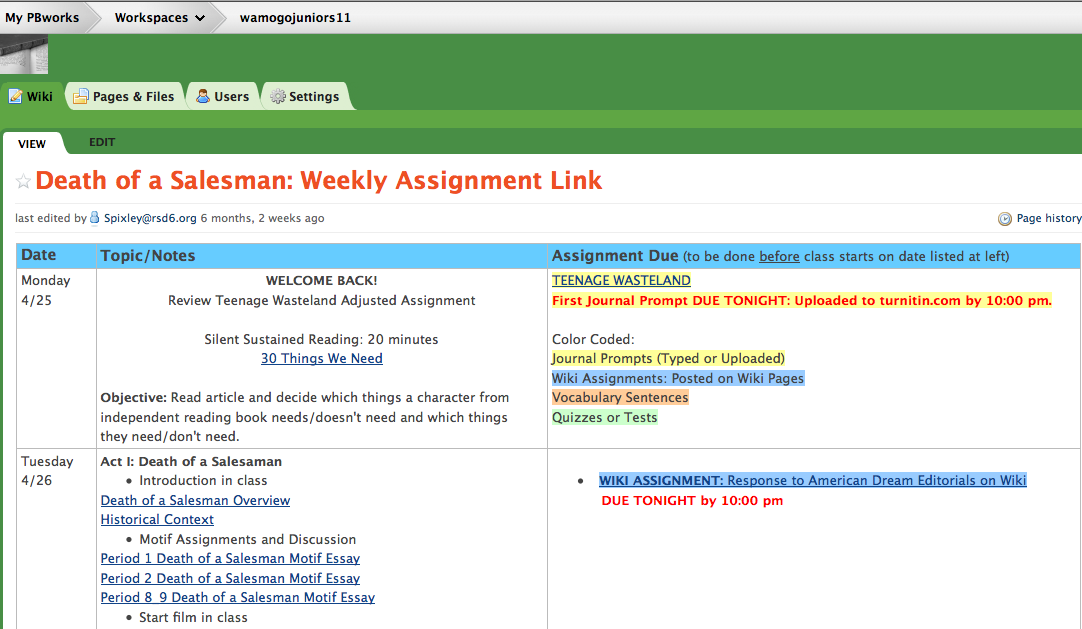
Junior Wiki assignment page with links

One of the many advantages to using a wiki for a teacher is the ability to go “paperless” since worksheets can be uploaded to the wiki for students to download and complete.  Webpages can be developed by individual students, and students can comment on other student pages. Pages can be created collaboratively and teachers will have an accurate record of who contributed based on time stamp entries on a web page.

Students can also access their reading assignments through the wiki since teachers can post links to digital texts. The wiki can expand a school library by promoting the links to materials that can be read on any Internet ready device. Students, and parents, can access the wiki 24/7 from any Internet device.

Of course, the use of a classroom wiki means that much more of the responsibility for student learning is placed on the student.
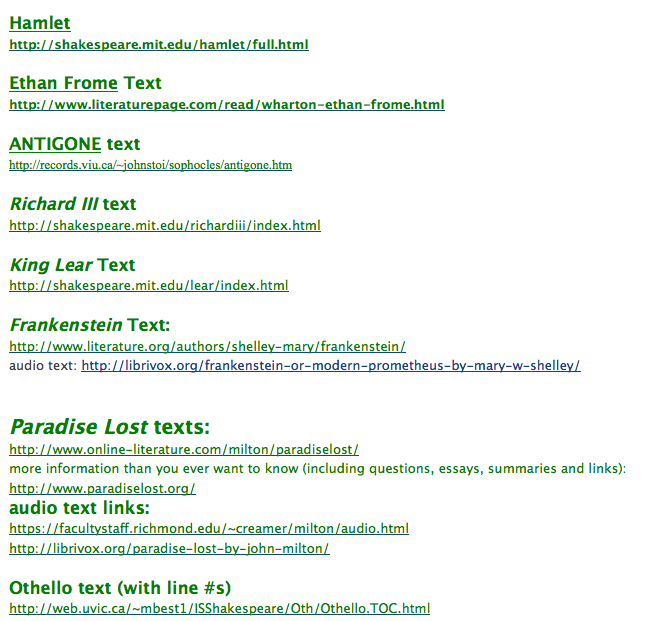
Advanced Placement English Literature digital texts

Not surprisingly, there are some students who are not as enthused about the wikis as teachers are. Some are a little insulted that educators have co-opted the Internet for education. However, all of our students are becoming used to the following mantra, “It’s on the wiki!”

For example:

A student will ask what homework is due for tomorrow.

(“It’s on the wiki!”)

A student who has been out ill for a few days might ask what he/she has missed.

(“It’s on the wiki!”)

A student may say he/she left the assigned book in a locker.

(“It’s on the wiki!”)

A student may claim he was not sure exactly how long an essay response had to be for an assignment or she may say that she lost the worksheet that needed to be completed.

(“It’s on the wiki!”)

The wiki does hold the student more accountable for participation. Of course, this participation means that they actually have to go to the wiki.

Around this time of year, Edublogs, a free educational blogging platform that claims to be the, largest, most trusted, best supported and widely used way for teachers and students to engage with the world of blogging” asks for nominations for the best educational wikis. The Edublog Awards accept nominations also for the best blogs, web tools, twitter feed and educational use of social networks for the year. These awards were created “in response to community concerns relating to how schools, districts and educational institutions were blocking access of learner and teacher blog sites for educational purposes.  The purpose of the Edublog awards is promote and demonstrate the educational values of these social media.

I would love to share any one of the excellent wikis being used at Wamogo High School, by the English Department or by any other discipline at the school, but most of our subscription wikis are private for student and parent use only. While our wikis cannot be seen by the general public, which means they could not be nominated, there are a plethora of other educational wikis available that promote teacher professional development and/or student learning. Many of our teachers’ best ideas come from exploring the wonderful resources in blogs, wikis, and other social media available on the Internet. Sites that have won an Edublog Award are always exceptional in providing these resources.

Wamogo High School wikis will not win any of the Edublog Awards for 2011, however, our teachers already know how the use of wikis has improved delivery of material and student engagement these past three years. We chant a 21st Century mantra for success… “It’s on the wiki!”

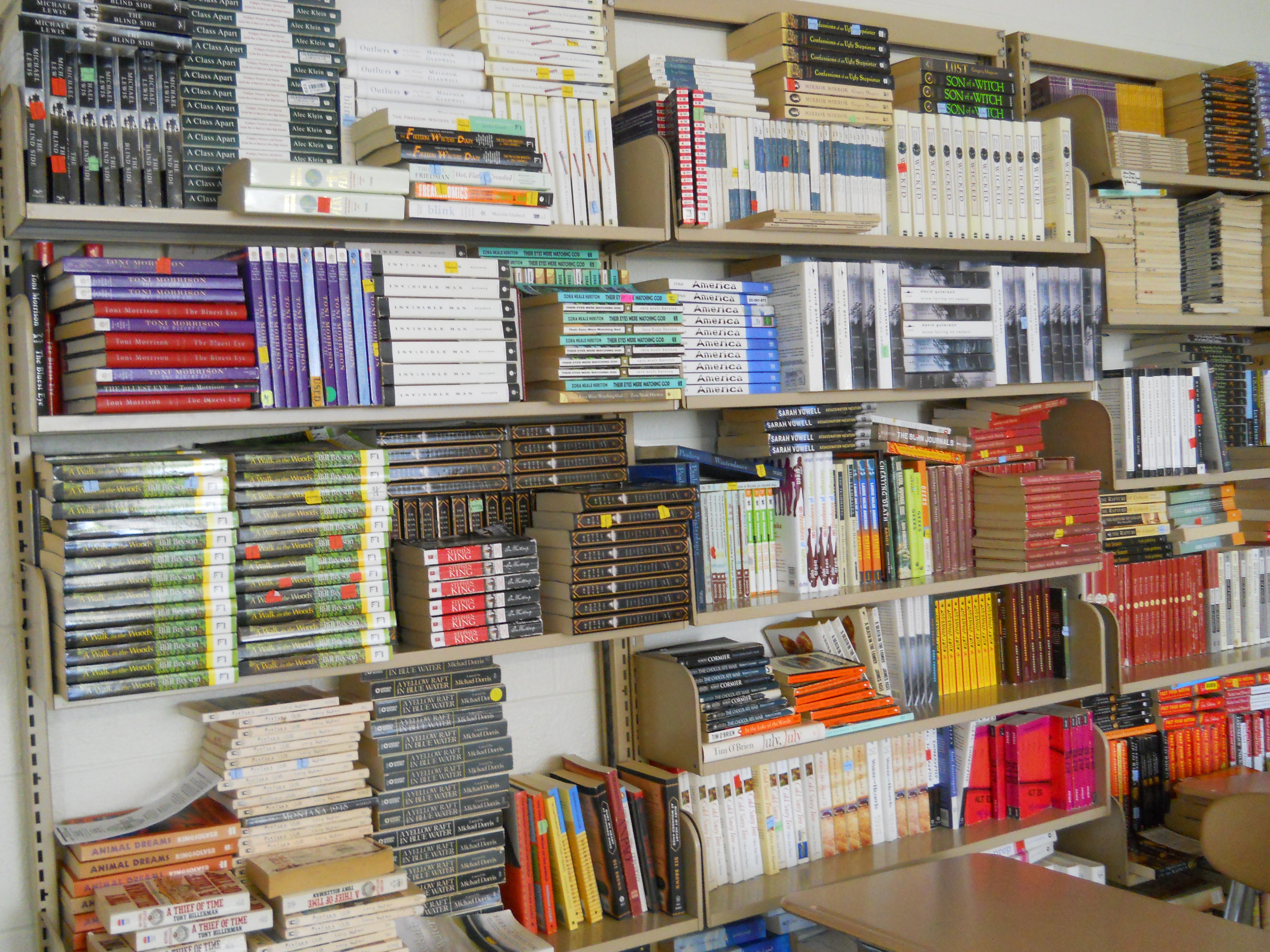
Classrooms are several feet deep in a “book flood” at the Wamogo Middle and High School.

Junior classroom library created with used books

While there has been a torrent of late summer rains that have closed roads and delayed schools in the Northwest corner of Connecticut, our students are experiencing a deluge of an entirely different nature. Gently used books spill over in classroom bookcases; they slop on to counters and swamp several double-sided carts.

The term “book flood” is used by Kelly Gallagher in Readicide.  He states, “Let me be clear: if we are to have any chance of developing a reading habit in our students, they must be immersed in a K­12 ‘book flood’–a term coined by researcher Warwick Elley (1991)” (43). Book flood is a theory, recently tested in countries (Fiji, Sri Lanka, Singapore) where English is not part of the culture.  The theory is that students exposed to quantities of literature will learn English as a second language more effectively.

The abstract for The Potential of Book Floods for Raising Literacy Levels by Warwick B. Elley states that “the evidence is now strong that it is possible to double the rate of reading acquisition of Third World primary school pupils with a ‘Book Flood’ of about 100 high-interest books, per class, and short teacher training sessions. The benefits for reading skill and enthusiasm are consistent across diverse cultures, mother tongues and age levels, and they appear to generate corresponding improvements in children’s writing, listening comprehension, and related language skills. Such skills are typically found to develop very slowly under traditional textbook styles of teaching.”

Gallagher suggests that American educators do the same in their classrooms by asking, “Do students at your school have access to a wide range of interesting reading materials? Is providing access to interesting text a priority among your administration and faculty? Are students on your campus immersed in a book flood? Are we giving them every opportunity, via reading, to build vital knowledge capital?” (49).

Well, we are.

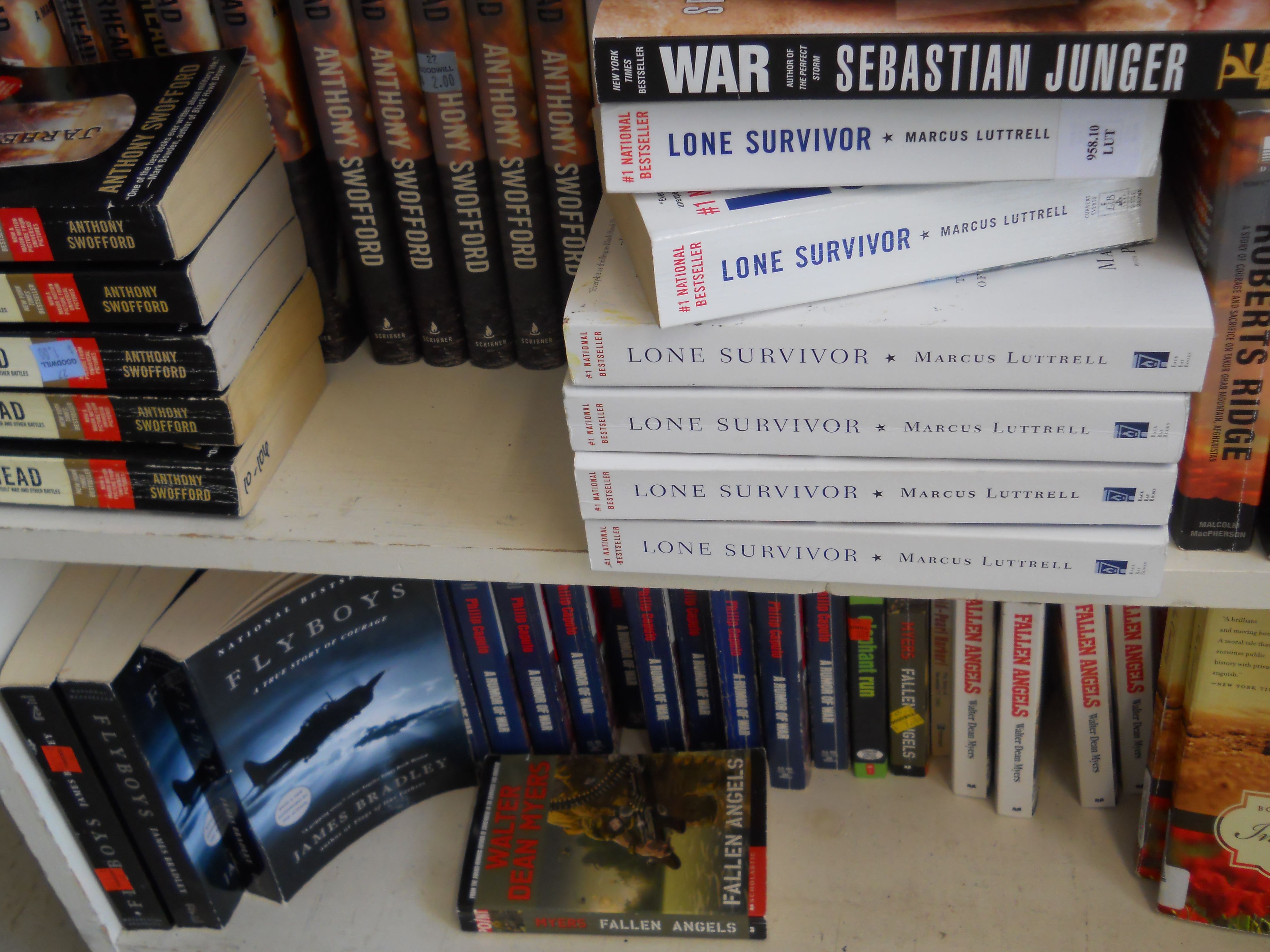
11th grade choices that accompany the Contemporary War unit with The Things They Carried

Over the course of one year (June 2010-2011), the Wamogo English Department had added 2,500 books previously used books to the classroom collections. Many of these books are familiar titles that are taught in grades 9-12 (EX: The Great Gatsby, Lord of the Flies, Animal Farm, Speak, The Glass Castle, A Lesson before Dying, The Bean Trees, To Kill a Mockingbird, The Handmaid’s Tale) or titles taught in  grades 7 & 8 (EX: Stargirl, Nothing but the Truth, The Giver, The Light in the Forest, The Outsiders, No More Dead Dogs).

Additionally, class sets of books (20 -30 copies) that were already purchased as new books were expanded with used copies for each student at grade level. For example, the 10th grade library started with 20 copies of The Kite Runner. After two years, there are now 116 copies for 10th graders, one for every student, plus all teachers and teachers’ aides. There are also 15 copies of A Thousand Splendid Suns for students who would like to read another novel by Khaled Hossani. Similarly, 20 copies of Mark Haddon’s The Curious Incident of the Dog in the Night-Time were purchased new in 2009. An additional 67 used copies have been added since; 13 more copies will make a grade level set of 100 copies.

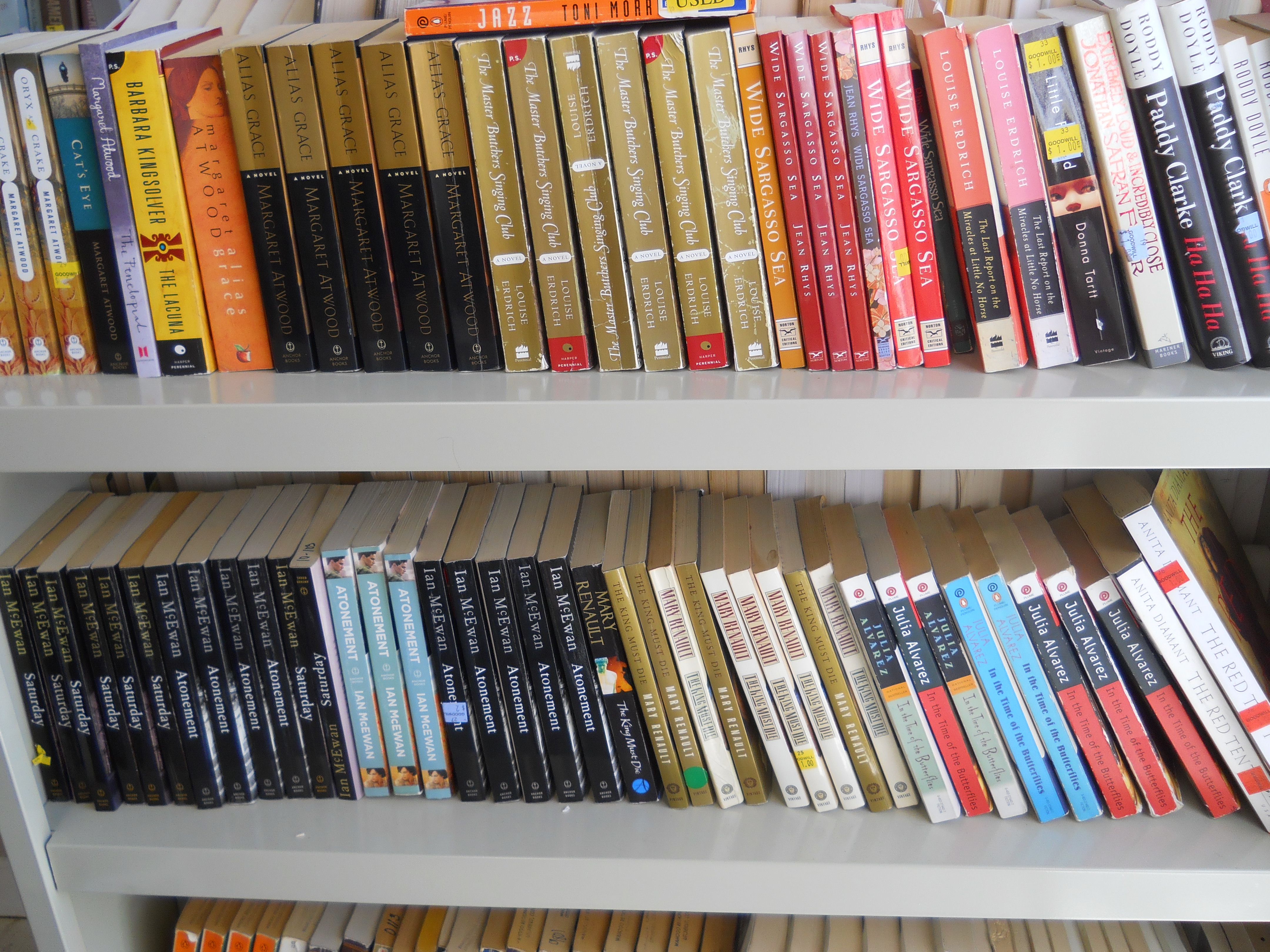
Books offered to Advanced Placement English Literature students for independent reading

In order to offer independent choices for the Advanced Placement English Literature and English Language classes, newer titles have been added including multiple copies (4-30) of  The Plot Against America, Alias Grace, The Adventures of Kavalier and Clay, Middlesex, The Story of Edgar Sawtelle, The Poisonwood Bible, In Cold Blood, Love in the Time of Cholera, Paddy Clarke Ha-Ha,  Dinner at the Homesick Restaurant, The Elegance of the Hedgehog, Cold Mountain, Ironweed, The Wide Sargasso Sea, Gertrude and Claudius, Atonement, The Hours, and The Memory Keeper’s Daughter.

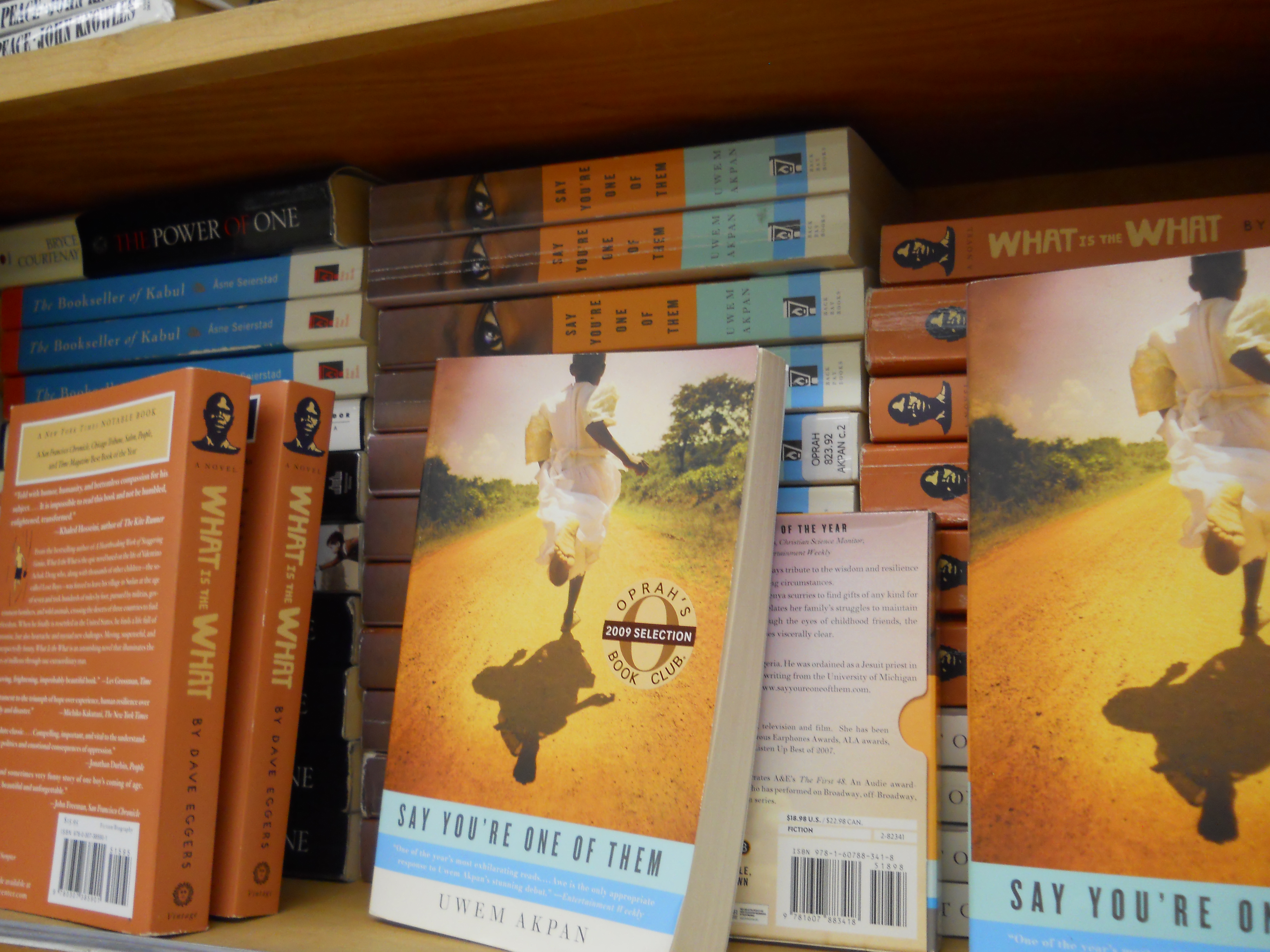
There are thematically connected texts for 10th grade World Literature such as a unit centered on adolescents growing up in conflict. These books include A Long Way Gone, The Power of One, What is the What, and First They Killed My Father. Students can choose to read one of these titles in literature circles. There are also thematically connected texts for non-fiction (A Walk in the Woods, Into the Wild, The Perfect Storm, Touching the Void, The Hungry Ocean, Between a Rock and a Hard Place) and fiction  (The Bluest Eye, Their Eyes Were Watching God, The Color Purple, Invisible Man, The Known World, Monster, Precious, Native Son) for students in English III American literature to read independently or in groups.

10th grade "choice" books for Adolescents in Conflict unit

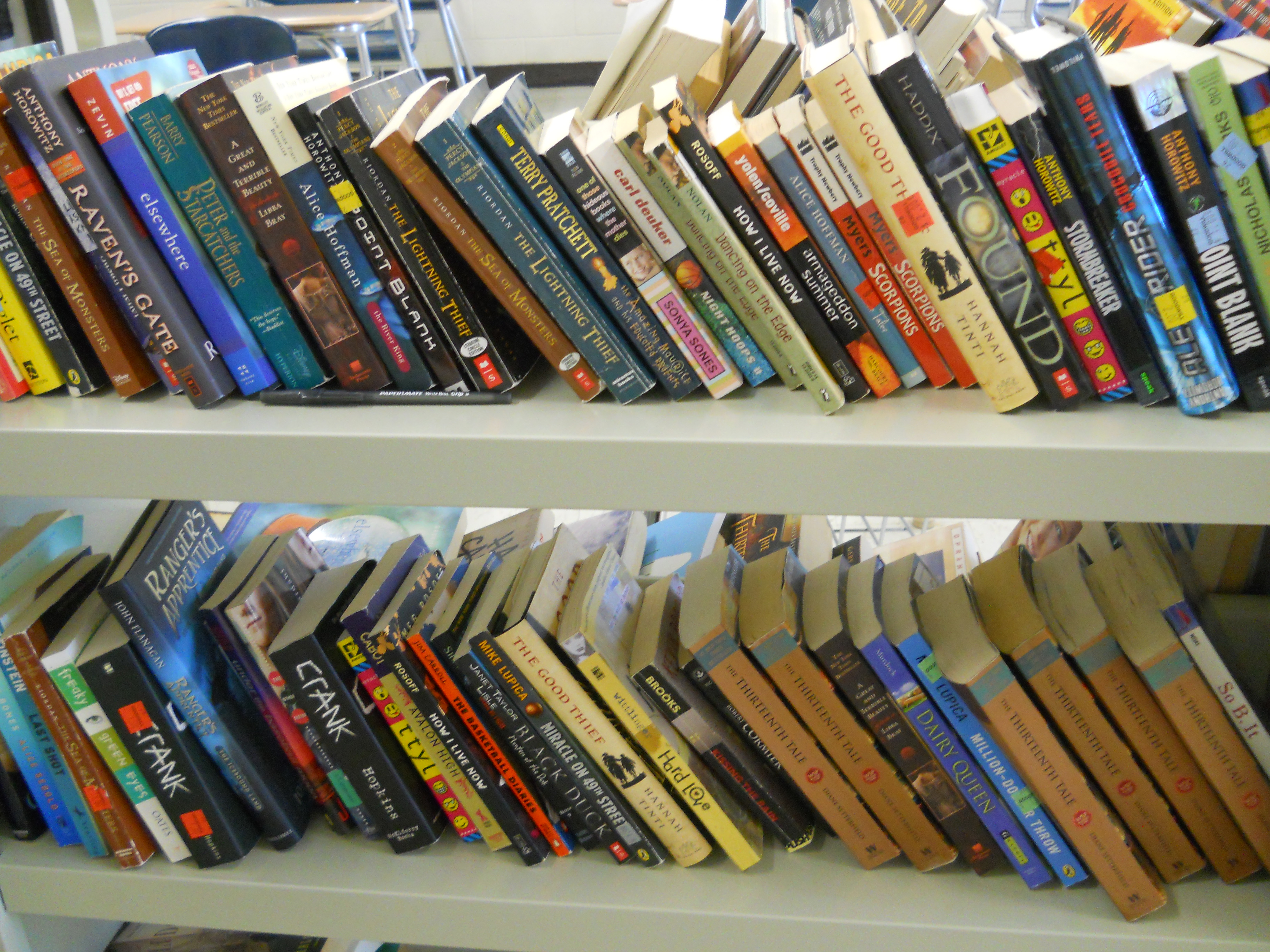
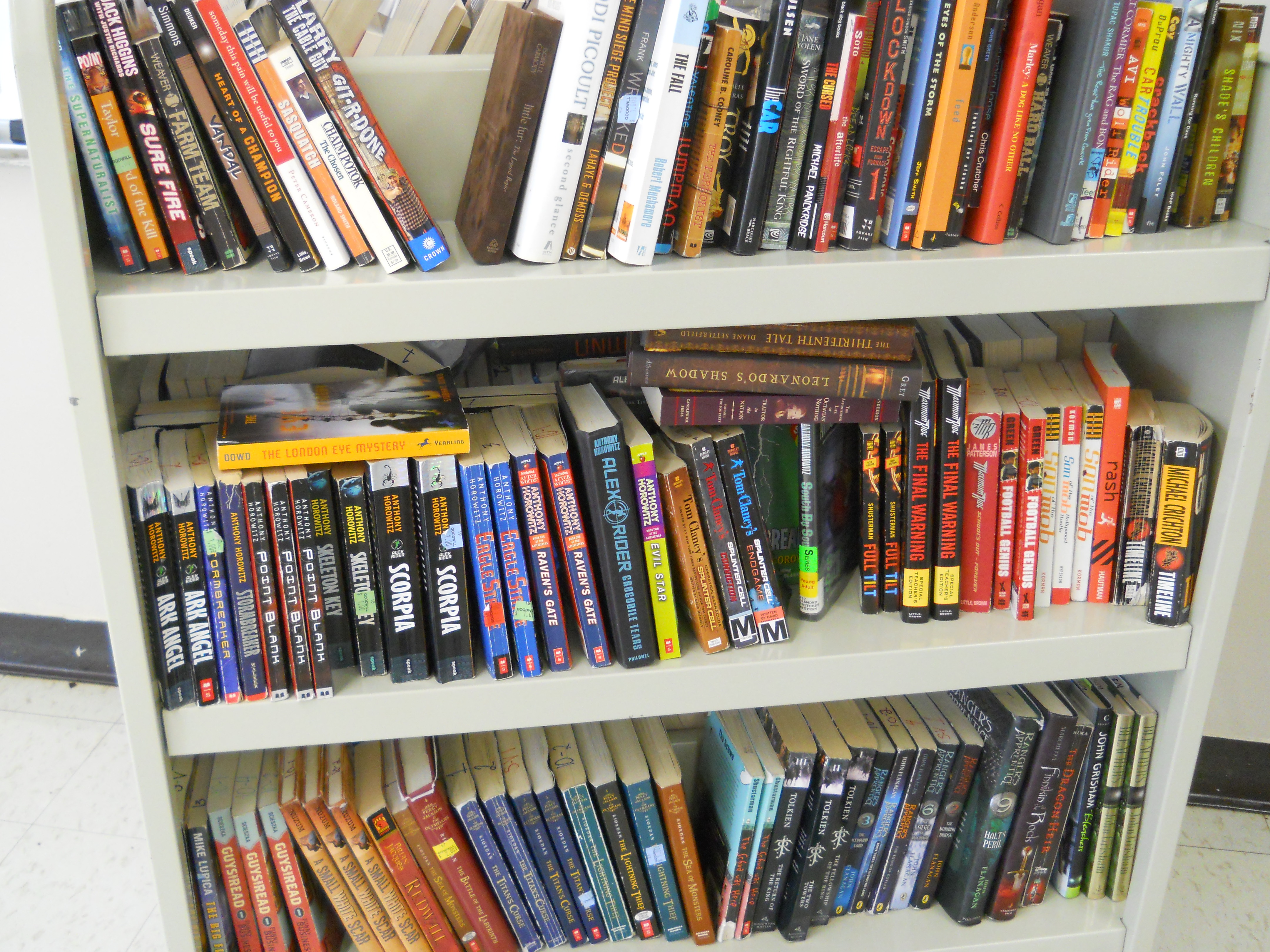
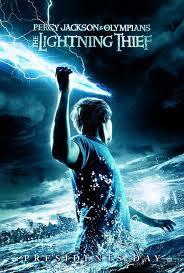
But, it is in the area of providing book choice for independent reading that the largest gains have been made in the classroom collections. There are book series (Percy Jackson and the Olympians, The Ranger’s Apprentice, Maximum Ride) available for 9th students to choose during Silent Sustained Reading (SSR) sessions. There are many different titles from popular teen authors: Meg Cabot, Anthony Horowitz, Jodi Picoult, Sarah Dessen and Scott Westerfield.

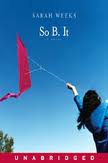
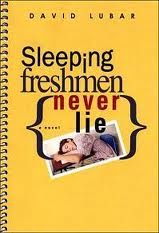
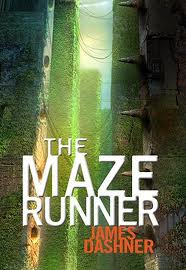
There are several (5-10) copies of books such as The Lovely Bones, Dairy Queen, So Be It, Where the Heart Is, and The Thirteenth Tale. There are pairs of books such as The Chosen, The Good Thief, Bad Kitty, Shadow of the Wind, Sleeping Freshmen Don’t Lie, Prom, and Life As We Knew It. There are single copies of The London Eye Mystery, The Off Season, The Compound, The Maze Runner, Black Duck, and Copper Sun.

Independent reading texts for SSR Grade 9

More Independent SSR choices for Grade 9

At the conclusion of the summer of 2011, after trips to thrift stores and public library book sales throughout Connecticut, another 1,700 copies of books have been added to our shelves at a cost of  approximately $2,300.00.

The “book flood” straining the banks of Wamogo’s classroom shelves is, as Gallagher suggests, wide-ranging; it is a flood saturated with interesting material to read. Our students are now inundated with titles; our teachers have an overflow of suggestions. We have created the one flood in which I could happily watch students drown.

Many literacy experts recommend that the first step in designing a reading program is seek information on the reading habits of students or to survey the students. So, on Day 2 of school, 76 freshmen at Wamogo High School in Connecticut took a survey, 16 questions (taken from Kelly Gallagher’s Readicide) prepared on Google Docs, titled, “How I Feel about Reading”. Their responses to the survey were candid and may, in fact, represent the reading habits of high school  students in the class of 2016 in general.

The first question was encouraging. 2/3 of the students responded positively to the question “I think reading is fun” by checking off “usually” or “sometimes”. However, this statistic means that 33% said they “rarely” thought reading is fun. Hopefully, providing choice and support with Silent Sustained Reading (SSR) will improve attitudes towards reading.

64% do understand the importance of reading when asked if  “being a good reader is important for success in school”; 34% indicated “sometimes” while only 2% were in the negative. In responding to this question, the students included the following interesting observations.

  • “I think reading is worthwhile because there are so many types of books in the world. Whether they are feeding you information or keeping you entertained books are definitely worthwhile!”
  • “It’s fun to read a good book. you totally get sucked into the book and you don’t even realize your reading. Reading is important because usually, jobs require you know how to read. and some jobs require that you read a lot. reading also strengthens grammar, spelling, writing, reading, and even the way you talk.”

The best response was to this question was, “It’s [reading] like a movie in your head, and I think that it is great to be able to imagine what the setting looks like, along with other things like the characters. It’s like the perfect world that you wish you where in. Sometimes I even think of myself as the main character, and it’s just amazing what you feel when you get into a book.” Such enthusiasm, however, was countered with the practical statement, “It [reading]  makes you sleep.”

While  71% felt strongly that “being a good reader is important for success in life,” and 24% chose  “sometimes”,  the number of those in the negative unexpectedly rose to 5%.

Students were also asked in the survey as to how they choose a book. Their advice centered on the length of books, covers, and topics:

  • “When I want to find a good book, I always check the back of the book where there is a short summary of it to see if it interests me. I also look to see who the author is and if I have read anything by them yet. Sometimes I ask my friends if they had read it and if they have a recommendation about it. And last but not least I check the pages on the middle and see if I am ok with the work type, and if I understand everything.”
  • “I like books about people who have gone through tragedies and are just moving on from it. I also like the books that have a little romance in it, and if they take place during the summer.”
  • “When is time for me to read a good book, I know that I don’t want to stop reading because it’s very good book.Sometimes when its not good book it takes me more time then anything. But I love books that are very interesting.”
  • “When I want to find a good book, I look at the length or the cover… sometimes I will go to a page and turn to it and see if it makes sense… and if the cover looks good.”
  • “Find a small book, (like 200 pages) and it has to be the right topic.”
  • “Go to the library and look for what I like in a good book. I usually look at the cover, the title, and the paraphrase on the back.”

Students also recommended books. Titles that received multiple votes (4 or more recommendations) included:

Hatchet
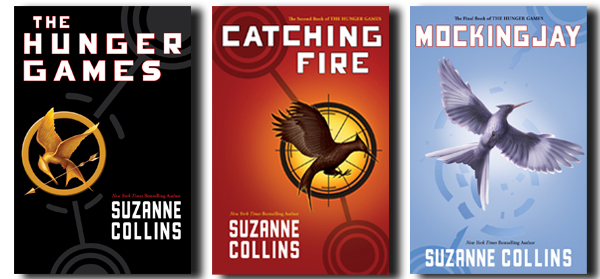
The Hunger Games
S0 Be It
Sleeping Freshmen Never Lie
Compound
The Maze Runner
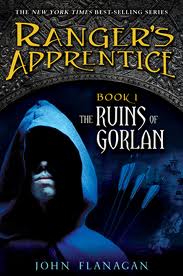
The Rangers Apprentice series
Percy Jackson and the Olympians series (any title)

Copies of all of the above titles have been added to the 9th grade classroom library through used book sales, especially copies of books in the Percy Jackson and the Olympians series. These books, and several hundred others, are on (2) portable carts in the classroom ready for SSR periods.

Sadly, the most depressing statistic came from the results of the question, “I read every day and look forward to my reading time”. Here, only 9% of 9th grade students replied “usually” in contrast to the 91% of student who responded “sometimes” or “rarely”.

The goal is to change that particular statistic this year!