Archives For November 30, 1999

Books read in Grade 9-Three core texts and lots of student selected reading

Classrooms are several feet deep in a “book flood” at the Wamogo Middle and High School.
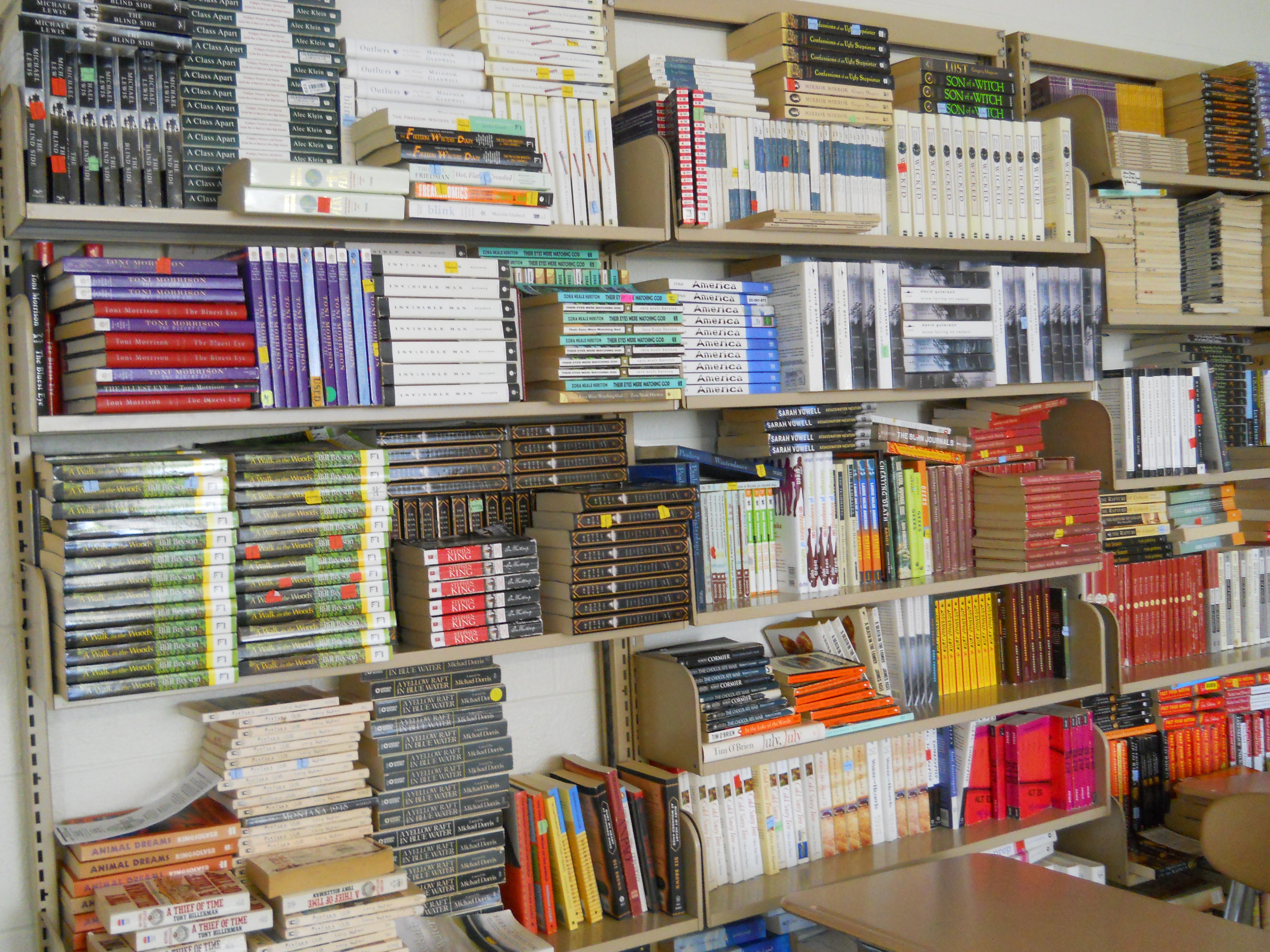
Junior classroom library created with used books

While there has been a torrent of late summer rains that have closed roads and delayed schools in the Northwest corner of Connecticut, our students are experiencing a deluge of an entirely different nature. Gently used books spill over in classroom bookcases; they slop on to counters and swamp several double-sided carts.

The term “book flood” is used by Kelly Gallagher in Readicide.  He states, “Let me be clear: if we are to have any chance of developing a reading habit in our students, they must be immersed in a K­12 ‘book flood’–a term coined by researcher Warwick Elley (1991)” (43). Book flood is a theory, recently tested in countries (Fiji, Sri Lanka, Singapore) where English is not part of the culture.  The theory is that students exposed to quantities of literature will learn English as a second language more effectively.

The abstract for The Potential of Book Floods for Raising Literacy Levels by Warwick B. Elley states that “the evidence is now strong that it is possible to double the rate of reading acquisition of Third World primary school pupils with a ‘Book Flood’ of about 100 high-interest books, per class, and short teacher training sessions. The benefits for reading skill and enthusiasm are consistent across diverse cultures, mother tongues and age levels, and they appear to generate corresponding improvements in children’s writing, listening comprehension, and related language skills. Such skills are typically found to develop very slowly under traditional textbook styles of teaching.”

Gallagher suggests that American educators do the same in their classrooms by asking, “Do students at your school have access to a wide range of interesting reading materials? Is providing access to interesting text a priority among your administration and faculty? Are students on your campus immersed in a book flood? Are we giving them every opportunity, via reading, to build vital knowledge capital?” (49).

Well, we are.
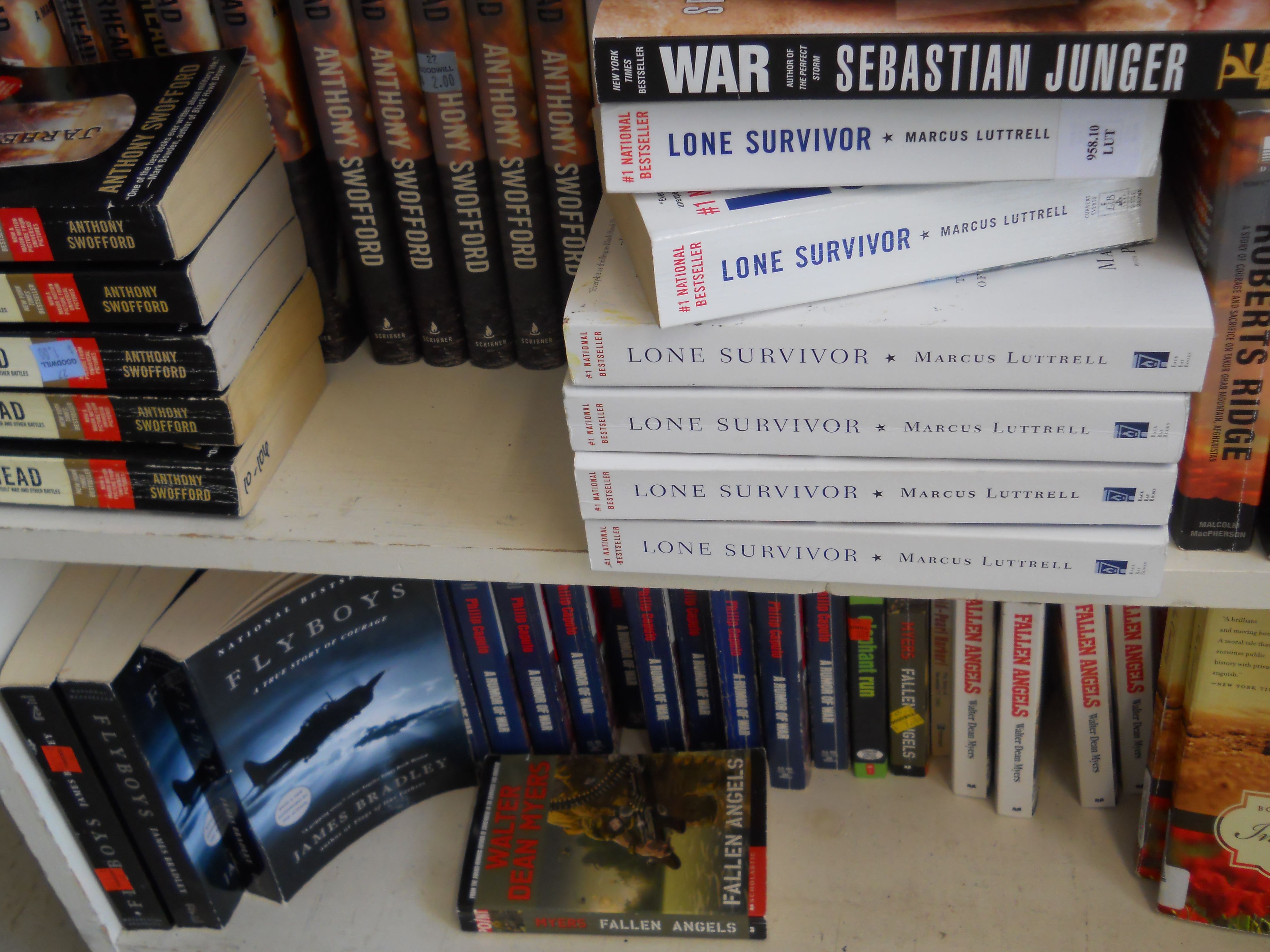
11th grade choices that accompany the Contemporary War unit with The Things They Carried

Over the course of one year (June 2010-2011), the Wamogo English Department had added 2,500 books previously used books to the classroom collections. Many of these books are familiar titles that are taught in grades 9-12 (EX: The Great Gatsby, Lord of the Flies, Animal Farm, Speak, The Glass Castle, A Lesson before Dying, The Bean Trees, To Kill a Mockingbird, The Handmaid’s Tale) or titles taught in  grades 7 & 8 (EX: Stargirl, Nothing but the Truth, The Giver, The Light in the Forest, The Outsiders, No More Dead Dogs).

Additionally, class sets of books (20 -30 copies) that were already purchased as new books were expanded with used copies for each student at grade level. For example, the 10th grade library started with 20 copies of The Kite Runner. After two years, there are now 116 copies for 10th graders, one for every student, plus all teachers and teachers’ aides. There are also 15 copies of A Thousand Splendid Suns for students who would like to read another novel by Khaled Hossani. Similarly, 20 copies of Mark Haddon’s The Curious Incident of the Dog in the Night-Time were purchased new in 2009. An additional 67 used copies have been added since; 13 more copies will make a grade level set of 100 copies.
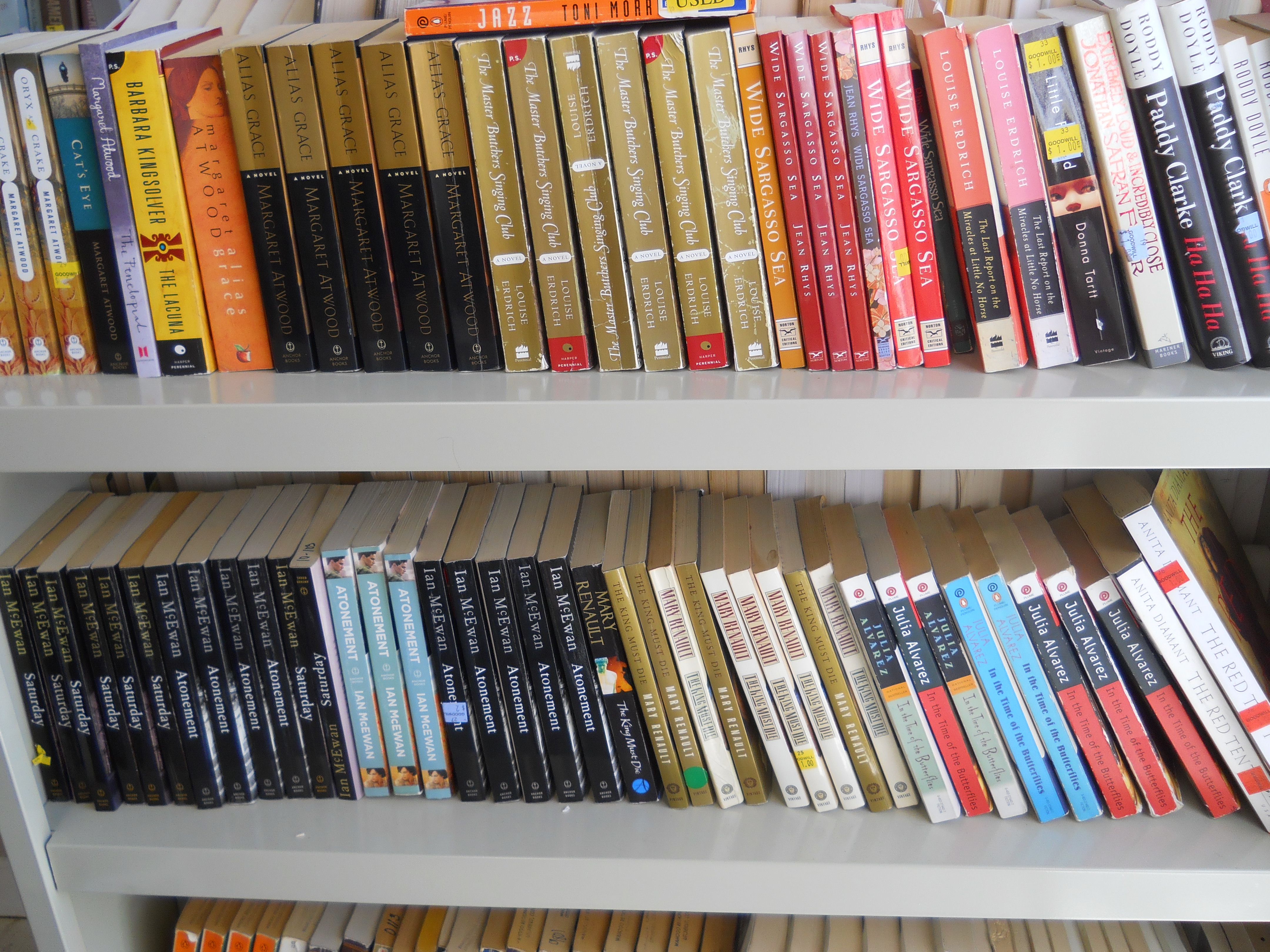
Books offered to Advanced Placement English Literature students for independent reading

In order to offer independent choices for the Advanced Placement English Literature and English Language classes, newer titles have been added including multiple copies (4-30) of  The Plot Against America, Alias Grace, The Adventures of Kavalier and Clay, Middlesex, The Story of Edgar Sawtelle, The Poisonwood Bible, In Cold Blood, Love in the Time of Cholera, Paddy Clarke Ha-Ha,  Dinner at the Homesick Restaurant, The Elegance of the Hedgehog, Cold Mountain, Ironweed, The Wide Sargasso Sea, Gertrude and Claudius, Atonement, The Hours, and The Memory Keeper’s Daughter.

There are thematically connected texts for 10th grade World Literature such as a unit centered on adolescents growing up in conflict. These books include A Long Way Gone, The Power of One, What is the What, and First They Killed My Father. Students can choose to read one of these titles in literature circles. There are also thematically connected texts for non-fiction (A Walk in the Woods, Into the Wild, The Perfect Storm, Touching the Void, The Hungry Ocean, Between a Rock and a Hard Place) and fiction  (The Bluest Eye, Their Eyes Were Watching God, The Color Purple, Invisible Man, The Known World, Monster, Precious, Native Son) for students in English III American literature to read independently or in groups.
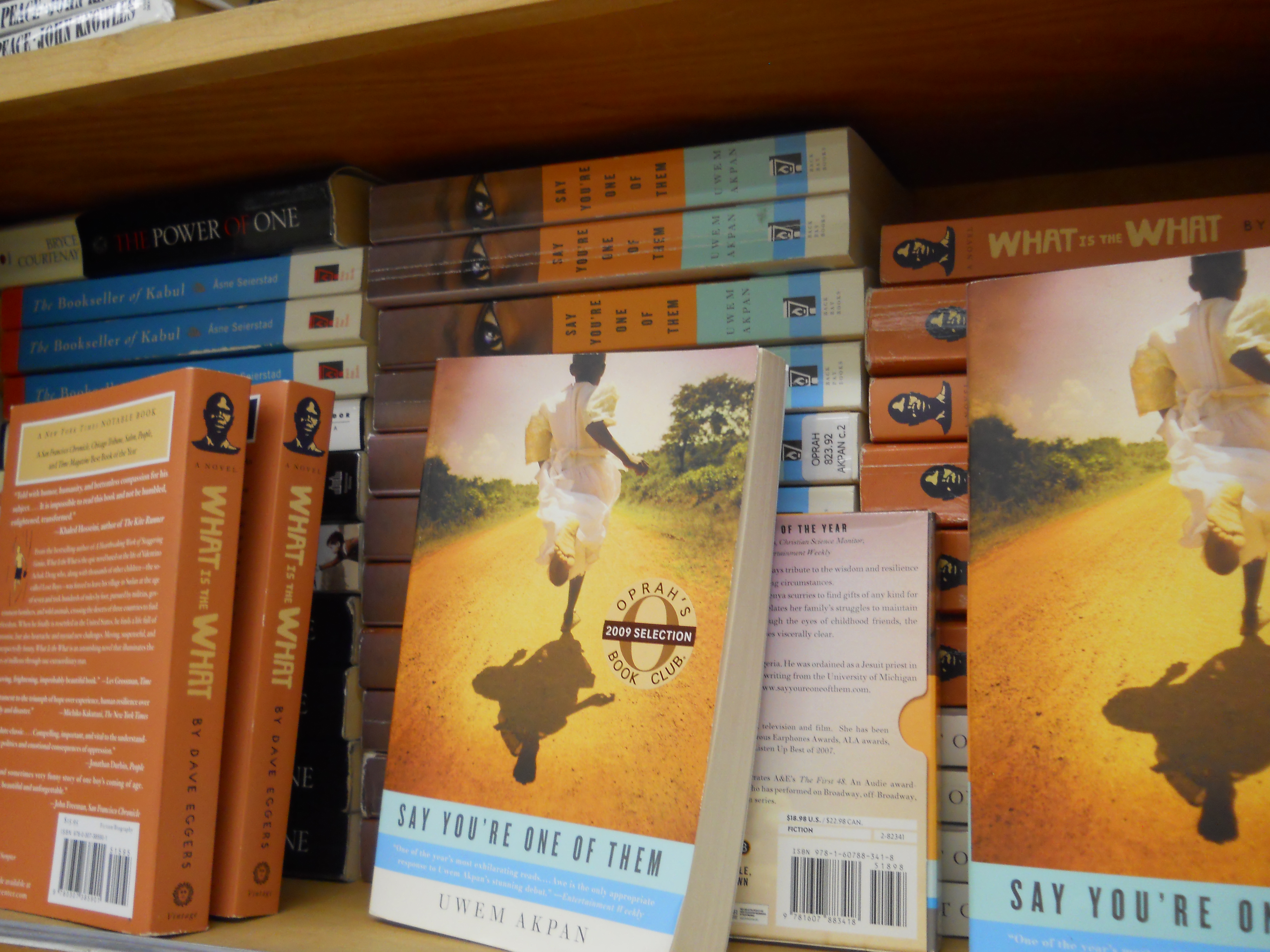
10th grade "choice" books for Adolescents in Conflict unit

But, it is in the area of providing book choice for independent reading that the largest gains have been made in the classroom collections. There are book series (Percy Jackson and the Olympians, The Ranger’s Apprentice, Maximum Ride) available for 9th students to choose during Silent Sustained Reading (SSR) sessions. There are many different titles from popular teen authors: Meg Cabot, Anthony Horowitz, Jodi Picoult, Sarah Dessen and Scott Westerfield.

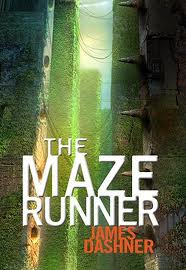
There are several (5-10) copies of books such as The Lovely Bones, Dairy Queen, So Be It, Where the Heart Is, and The Thirteenth Tale. There are pairs of books such as The Chosen, The Good Thief, Bad Kitty, Shadow of the Wind, Sleeping Freshmen Don’t Lie, Prom, and Life As We Knew It. There are single copies of The London Eye Mystery, The Off Season, The Compound, The Maze Runner, Black Duck, and Copper Sun.
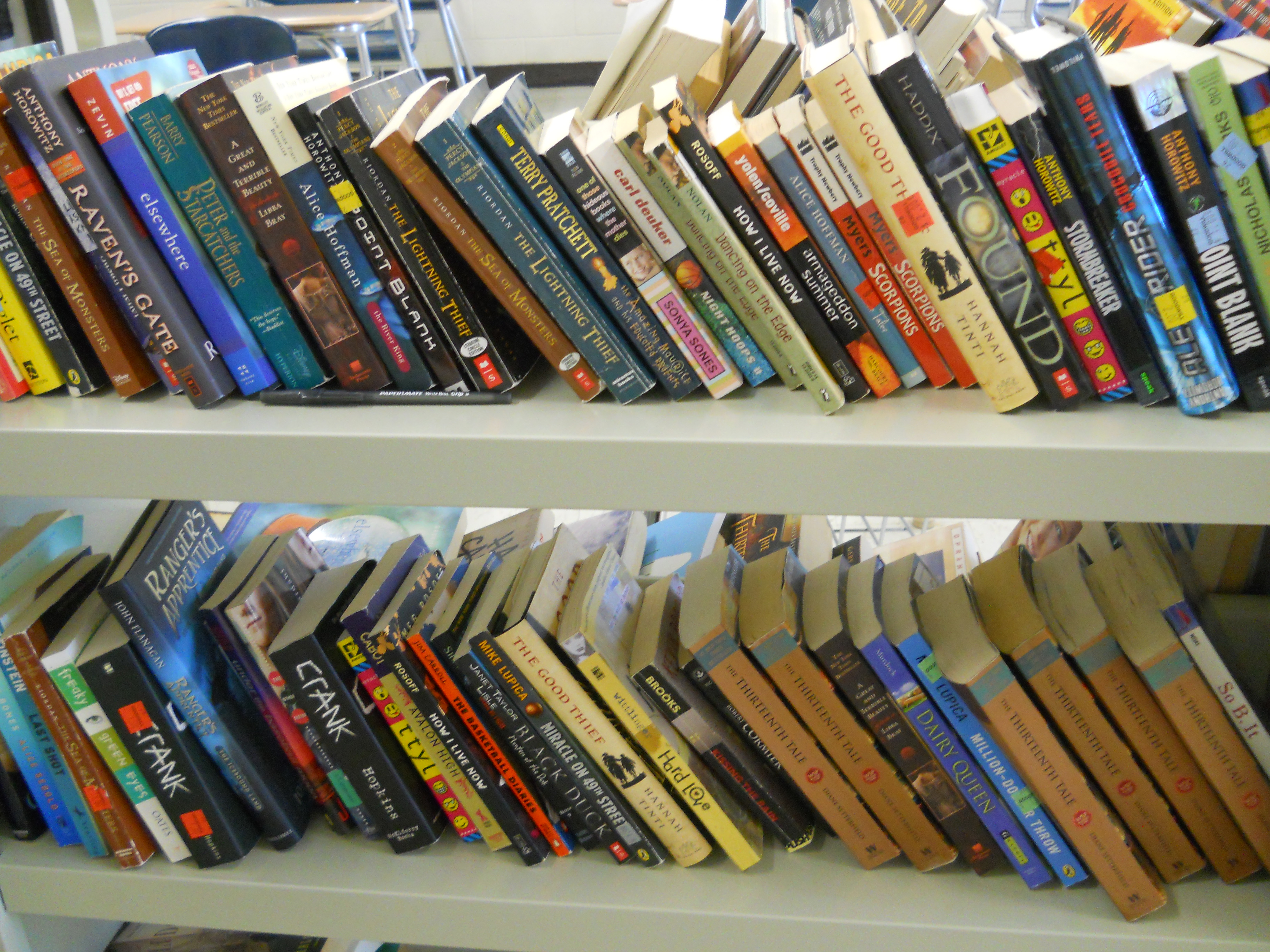
Independent reading texts for SSR Grade 9
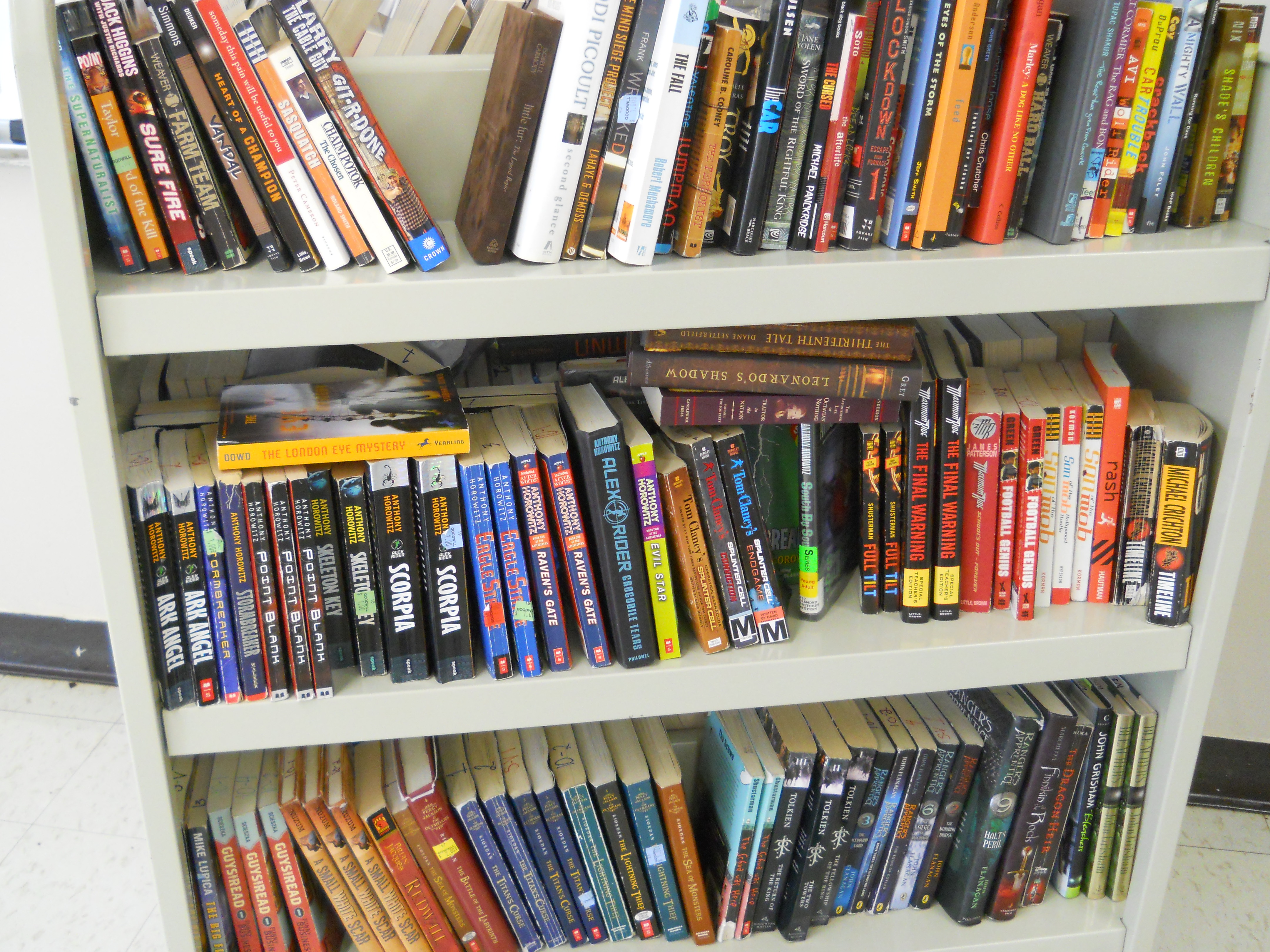
More Independent SSR choices for Grade 9

At the conclusion of the summer of 2011, after trips to thrift stores and public library book sales throughout Connecticut, another 1,700 copies of books have been added to our shelves at a cost of  approximately $2,300.00.

The “book flood” straining the banks of Wamogo’s classroom shelves is, as Gallagher suggests, wide-ranging; it is a flood saturated with interesting material to read. Our students are now inundated with titles; our teachers have an overflow of suggestions. We have created the one flood in which I could happily watch students drown.

Many literacy experts recommend that the first step in designing a reading program is seek information on the reading habits of students or to survey the students. So, on Day 2 of school, 76 freshmen at Wamogo High School in Connecticut took a survey, 16 questions (taken from Kelly Gallagher’s Readicide) prepared on Google Docs, titled, “How I Feel about Reading”. Their responses to the survey were candid and may, in fact, represent the reading habits of high school  students in the class of 2016 in general.

The first question was encouraging. 2/3 of the students responded positively to the question “I think reading is fun” by checking off “usually” or “sometimes”. However, this statistic means that 33% said they “rarely” thought reading is fun. Hopefully, providing choice and support with Silent Sustained Reading (SSR) will improve attitudes towards reading.

64% do understand the importance of reading when asked if  “being a good reader is important for success in school”; 34% indicated “sometimes” while only 2% were in the negative. In responding to this question, the students included the following interesting observations.

  • “I think reading is worthwhile because there are so many types of books in the world. Whether they are feeding you information or keeping you entertained books are definitely worthwhile!”
  • “It’s fun to read a good book. you totally get sucked into the book and you don’t even realize your reading. Reading is important because usually, jobs require you know how to read. and some jobs require that you read a lot. reading also strengthens grammar, spelling, writing, reading, and even the way you talk.”

The best response was to this question was, “It’s [reading] like a movie in your head, and I think that it is great to be able to imagine what the setting looks like, along with other things like the characters. It’s like the perfect world that you wish you where in. Sometimes I even think of myself as the main character, and it’s just amazing what you feel when you get into a book.” Such enthusiasm, however, was countered with the practical statement, “It [reading]  makes you sleep.”

While  71% felt strongly that “being a good reader is important for success in life,” and 24% chose  “sometimes”,  the number of those in the negative unexpectedly rose to 5%.

Students were also asked in the survey as to how they choose a book. Their advice centered on the length of books, covers, and topics:

  • “When I want to find a good book, I always check the back of the book where there is a short summary of it to see if it interests me. I also look to see who the author is and if I have read anything by them yet. Sometimes I ask my friends if they had read it and if they have a recommendation about it. And last but not least I check the pages on the middle and see if I am ok with the work type, and if I understand everything.”
  • “I like books about people who have gone through tragedies and are just moving on from it. I also like the books that have a little romance in it, and if they take place during the summer.”
  • “When is time for me to read a good book, I know that I don’t want to stop reading because it’s very good book.Sometimes when its not good book it takes me more time then anything. But I love books that are very interesting.”
  • “When I want to find a good book, I look at the length or the cover… sometimes I will go to a page and turn to it and see if it makes sense… and if the cover looks good.”
  • “Find a small book, (like 200 pages) and it has to be the right topic.”
  • “Go to the library and look for what I like in a good book. I usually look at the cover, the title, and the paraphrase on the back.”

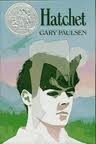
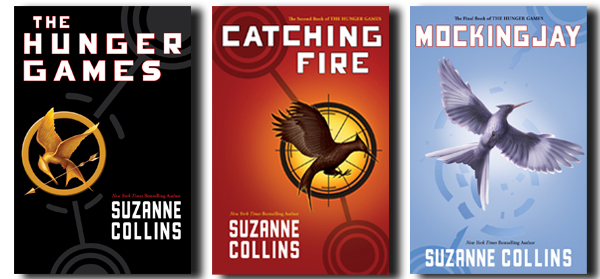
Students also recommended books. Titles that received multiple votes (4 or more recommendations) included:

Hatchet
The Hunger Games
S0 Be It
Sleeping Freshmen Never Lie
Compound
The Maze Runner
The Rangers Apprentice series
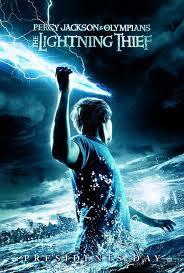
Percy Jackson and the Olympians series (any title)

Copies of all of the above titles have been added to the 9th grade classroom library through used book sales, especially copies of books in the Percy Jackson and the Olympians series. These books, and several hundred others, are on (2) portable carts in the classroom ready for SSR periods.

Sadly, the most depressing statistic came from the results of the question, “I read every day and look forward to my reading time”. Here, only 9% of 9th grade students replied “usually” in contrast to the 91% of student who responded “sometimes” or “rarely”.

The goal is to change that particular statistic this year!

The pressure is on. School starts in another two weeks. Summer reading still needs to be done!

Right about this time, there are some parents who are reminding (nagging?) students about their summer reading assignments, there are librarians and book stores scrambling to locate books posted on reading list, there are some students trying to cram in a little reading, while there are some students trying to cram in a few Spark Notes instead of the summer reading book. Is this commotion necessary? Is all this activity to have students read books over the summer vacation a worthwhile endeavor?

Yes. Yes, it is.

On the New York State Department of Education website, there is a summary of research on summer reading:

“In a 2009 government web cast, Secretary of Education Arne Duncan described summer learning loss as ‘devastating.’ This is what researchers have often referred to as the “summer slide.” It is estimated that school summer breaks will cause the average student to lose up to one month of instruction, with disadvantaged students being disproportionately affected (Cooper, 1996).”

“Researchers conclude that two-thirds of the 9th grade reading achievement gap can be explained by unequal access to summer learning opportunities during the elementary school years, with nearly one-third of the gap present when children begin school (Alexander, Entwistle & Olsen, 2007).”

“The body of existing research demonstrates the critical importance that the early development of summer reading habits can play in providing the foundation for later success.”

We assign summer reading for all grades 7-12. Academic level students in grades 7-11 have a choice of books, fiction and non-fiction, from suggested lists. Our excellent media specialist is a great resource for making recommendations and coordinating these lists for distribution. Honors level students are required to read specific titles; Advanced Placement students are assigned four to five books. Seniors read books that are directly connected to the elective they have chosen. All summer reading is due the first week of school.

We use the dialectical journal as an assessment tool. Students are required to find passages (5 from the first half of the book, 5 from the second half) that they think help them better understand the bigger issues of the book– theme, characterization, narrative voice, the author’s attitude towards his subject (tone), etc. The passages can be either narration or dialogue. Students respond to each passage in one of several ways such as:
1. Make a connection
2. Interpret/make a prediction
3. Ask a question (attempt to answer it)
4. Extend the meaning
5. Challenge the text

Dialectical_Journal Instructions
The first weeks of school are all about assessing individual student and evaluating class learning. Reading student responses in dialectical journals is one method a teacher can use to quickly assess a student’s comprehension and writing skills at the beginning of the school year.

I have located many of the required texts for summer reading in the used book market to make access easier for honors level students. We are able to offer gently used copies of all of the assigned texts including:
Grade 9 Honors: The Alchemist, Paul Coehlo
Grade 10 Honors: Nectar in a Sieve, Kamala Markandaya OR The God of Small Things by Arundhati Roy OR The Life of Pi by Yann Martel
Grade 11 AP Language: On the Road, by Jack Kerouac AND The Memory Keeper’s Daughter by Kim Edwards AND On Writing by Stephen King AND The Grapes of Wrath by John Steinbeck
Grade 12 AP Literature: The Grapes of Wrath by John Steinbeck AND The Tempest Shakespeare AND The Story Of Edgar Sawtelle by David Wroblewski OR The Poisonwood Bible by Barbara Kingsolver AND Reservation Blues by Sherman Alexie OR Ceremony by Leslie Marmon Silko
Grade 11 & 12 Journalism:
Zeitoun by Dave Eggers OR Firehouse by David Halberstam
Grade 12 Drama
: Our Town, Thornton Wilder
Grade 12 Creative Writing: On Writing, Stephen King
Grade 12 Memoir: A Girl Named Zippy by Haven Kimmel OR Lost in Place by Mark Salzman OR Running with Scissors by Augusten Burroughs OR Lucky by Alice Sebold

Unfortunately, the agrarian school calendar has created summer months where many students do not engage in any academic activity. Summer reading requirements for students at any grade level, choice or assigned, are speed bumps in slowing down the “summer slide.”

If you happen to find yourself in Boise, Idaho, as I frequently do, and you need a used book, check out Rainbow Books at 1310 West State Street. My family lives in Boise, and I have driven past Rainbow Books for about 20 years. I am sorry it took so long for me to discover this little  book store.

Rainbow Book Store in Boise, Idaho....in case you are ever in Boise!

According to its website, “Rainbow Books was moved to its current location at 1310 West State Street in 1993 and continues to add more shelves for more books all the time. Rainbow Books was chosen ‘Best of Treasure Valley’ in 2003 not only for its incredible selection, but also because of the staff’s unbelievable knowledge of its stock.”

On this very hot afternoon, the store had several “browsers” including a young couple canoodling in the air-conditioned book stacks. They were quite preoccupied and paid little attention to me as I crawled along the expansive classic section. The store is a reconverted house, and there are many different rooms to explore; all are well lit, and there is no musty odor one sometimes associates with used books.

I found the shelves very well organized by genre. The children’s literature was appropriately divided into sections: picture books, chapter books and YA literature; and there were many “finds” for my classroom. The military section was small, but there was an entire room shelving unit devoted to Westerns. Should I discover that my students would like to read Westerns, I will certainly be in touch with Rainbow Books! The biography and memoir section also had a wide range of titles. I did ask if they had a copy of October Sky by Homer Hickam, but I was informed that if there was a copy available, it would be shelved under a section called “Men’s Books”; apparently, most people do not look for this title as a memoir, so the staff adopted a genre change!

There were nearly all of the trade books I pick up at used book sales (The Bean Trees, The Road, The Kite Runner), but since I am traveling, all  purchases will be mailed to the school, so I was careful to select books that were both “hard to find” and in excellent condition.

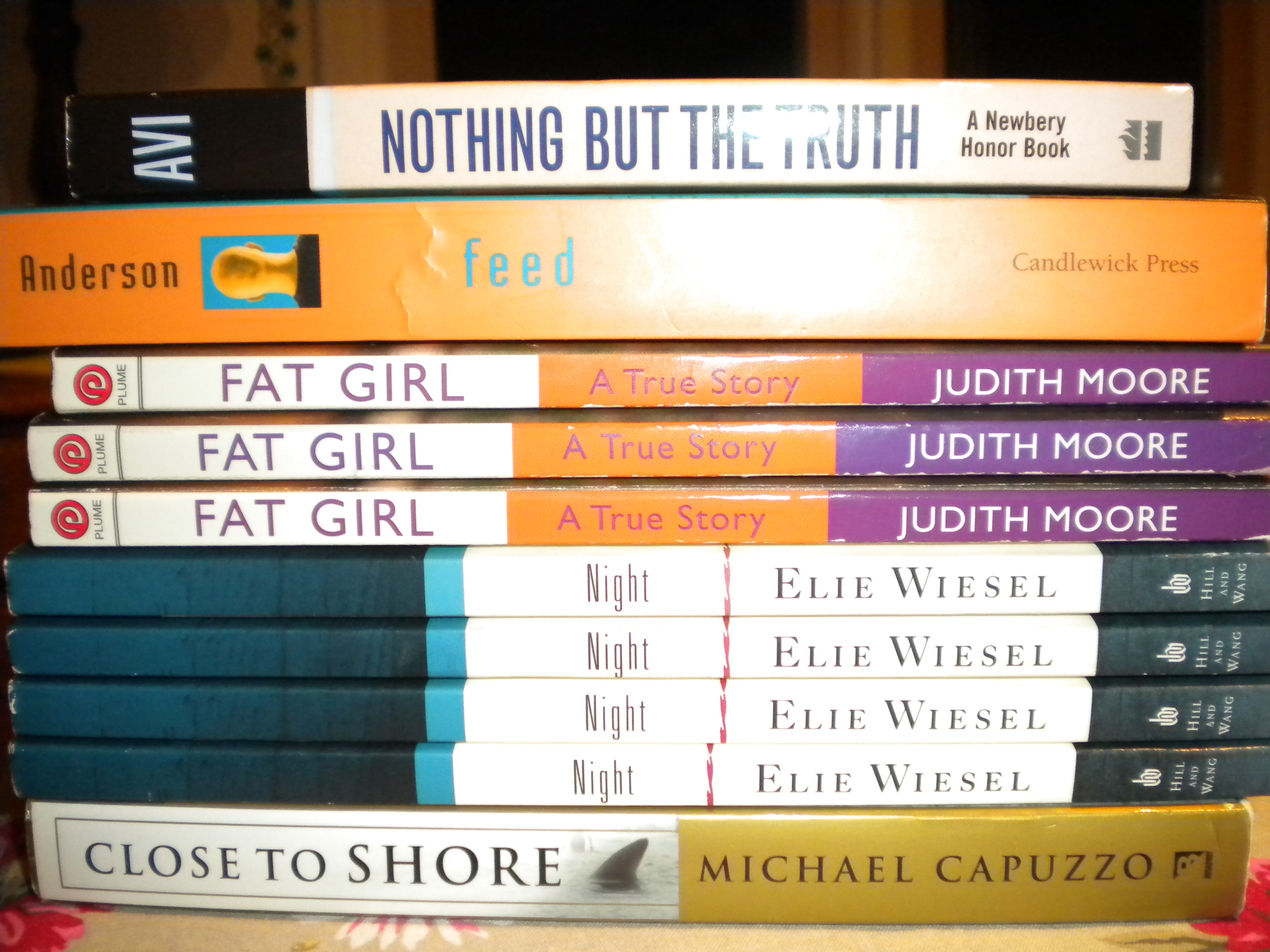
What books go into the used book classroom? I found a copy of Feed by M.T. Anderson (9th grade), Nothing but the Truth by Avi (8th grade), and Close to Shore by Michael Capuzzo (summer reading). All these titles are hard to find.

Books purchased at Rainbow Books for $44.30

The best discovery was locating four copies of the newest edition of  Night by Elie Wiesel which is a required reading text in grade 10. I also picked up three copies of Fat Girl: A True Story by Judith Moore to add to the independent reading selections for the 12th grade memoir class.

These 10 books cost $44.30 with a 10% teacher’s discount, or a little under $5.00 per book. I will have to spend $7.99 in postage (USPO media mail), bringing total expenses to $52.29. What did I save by shopping at Boise’s oldest, friendliest, and most generous used bookstore? Well, the retail price for these texts $108.60; so, including the postage, my total savings $56.31.

There are buying, trading, and selling policies listed on the Rainbow Books website; a sign at the register also indicated they sell through Amazon as well.  However, shopping online means you miss a great opportunity to shop in this pleasant used book store….or buy doughnuts next door….or ice cream up the street!

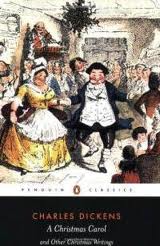
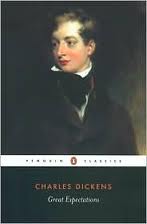
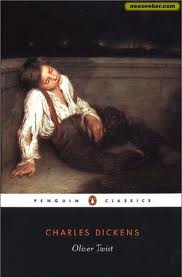
A Christmas Carol and Great Expectations by Charles Dickens are in the 9th grade honors curriculum at Wamogo High School.  Selections (chapters 1 -3) of Oliver Twist are in the 10th grade college prep curriculum to complement the Industrial Revolution unit taught by the Social Studies Department.

A Christmas Carol: 9th Grade Honors Reading

Great Expectations: 9th Grade Honors Reading

Oliver Twist: 10th Grade College Prep Reading

Our student do like the novels by Dickens…once the book is completed.  They enjoy the complicated plot twists…once the twists have ended. They remember the quirky characters…once the book has been turned in.

A problem with all novels by Dickens is the length. Simply, he got paid by the word. A problem with Dickens is the vocabulary. He liked to use long and complicated words. A problem with Dickens is his sentence structure. He used complex sentences.

The problem of length is difficult to address. His novels cannot be satisfactorily shortened; abridged editions lack his satire and comic touch.  The problems of vocabulary and complicated sentence structure, however, are reasons to teach any Dickens novel. There hundreds of  SAT/ACT words in any Dickens’ text. A quick review of a several words from Oliver Twist should prove my point:
panegyric- a formal expression of praise
asseverate-state categorically
asperity- something hard to endure
rapacity– extreme gluttony
myrmidon-a follower who carries out orders without question
pule-cry weakly or softly
postilion-someone who rides the near horse of a pair in order to guide the horses pulling a carriage (especially a carriage without a coachman)
seneschal-the chief steward or butler of a great household
imprecation-the act of calling down a curse that invokes evil (and usually serves as an insult)
saveloy-a ready-cooked and highly seasoned pork sausage (probably not an SAT/ACT word, but fun to know!)

Dickens sentences are complex:

“The evening arrived; the boys took their places. The master, in his cook’s uniform, stationed himself at the copper; his pauper assistants ranged themselves behind him; the gruel was served out; and a long grace was said over the short commons. The gruel disappeared; the boys whispered each other, and winked at Oliver; while his next neighbours nudged him. Child as he was, he was desperate with hunger, and reckless with misery. He rose from the table; and advancing to the master, basin and spoon in hand, said: somewhat alarmed at his own temerity:
‘Please, sir, I want some more'” (Oliver Twist)

From a student’s point of view,  sentences like these appear puzzling.  Young Oliver’s adventures are just starting in  Chapter 2…and there are 51 more chapters like this one! Reading a Dickens’ novel or a passage requires focus and determination.

There is much to be gained by sticking with Dickens, to pushing students out of their comfort zone of 21st Century twittering and texting. Students can develop skills in following the main idea in a selected passage of text. Students can rephrase Dickens’ sentences to better understand his satire. Students can imitate his writing the way painters imitate great artists using his work as “mentor texts”. Finally, students can comment on Dickens’ characters and make connections of these characters to contemporary people, because that is exactly what Dickens did to his own contemporaries.

Since all literature by Dickens is in the public domain, students have access to an e-text; I do not need copies for each student when students choose to download the book to an e-reader device, and digital copies are excellent when students need to read only a few passages or chapters. The classroom libraries already do contain enough copies of Great Expectations, Oliver Twist, and A Christmas Carol for those students who choose a paper copy. The copies of Dickens’ novels that are available in used book sales are often quite old and musty, but Oprah’s recent selection of Great Expectation and A Tale of Two Cities for her book club may result in newer editions entering the used book market

To date, the cost for these titles? Nothing. The results of teaching the most popular English novelist of the Victorian Era? Priceless.

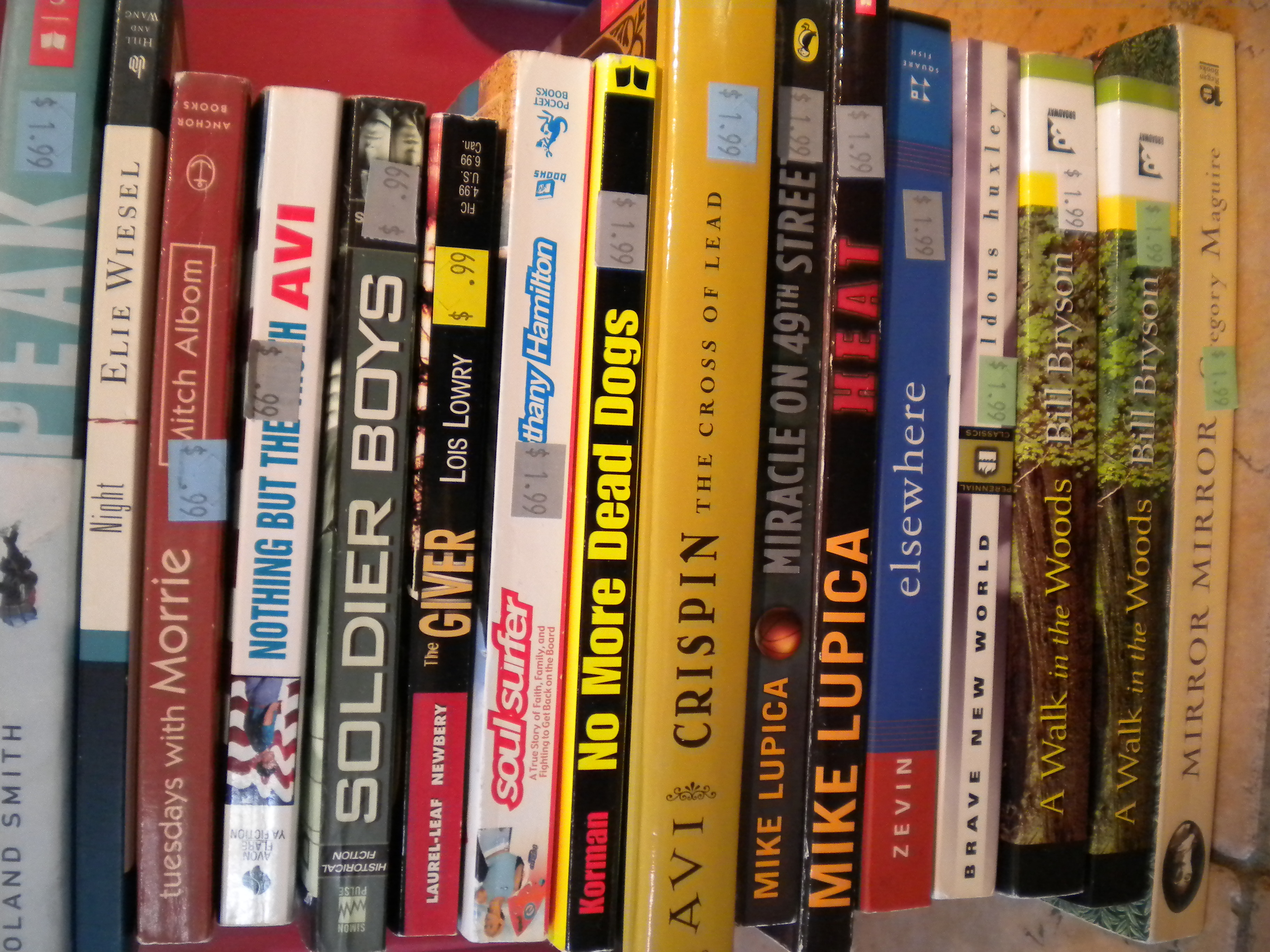
Southington Goodwill Store book haul....16 quality texts for $33.33!

Traveling back from an afternoon in Massachusetts, I stopped for quick break at exit 32 on I-84 (Queen Street) in Connecticut. Lucky for me, I noticed the Southington Goodwill Store store. In ten minutes, I collected a bagful of titles worth bringing back to school.

This Easter Seals Goodwill Industries store opened in January 2006 with 8100 square feet of space. According to the website, the mission of the store is to “to enhance employment, educational, social and recreational opportunities for people with disabilities and other challenges in the greater New Haven area.”

The prices for the books at this location were a little more expensive than the $1.00 or $2.00  books at the Goodwill Stores in Danbury, Brookfield, and New Milford. Maybe the Easter Seals affiliation has a different pricing criteria? Books here were marked $2.99, $1.99 or .99. These prices are still far below retail, and there were many bargains I left on the shelves for others to find. The organization of the books was excellent at this location.  Titles were correctly placed in genres (non-fiction, fiction, children’s literature, cookbooks, etc) and the quality of the books was very good.

I located five core texts: The Giver by Lois Lowery, No More Dead Dogs by Gordon Korman (Grade 7), Nothing but the Truth by Avi (grade 8), Night by Elie Wiesel and an edition of Brave New World (grade 10) by Aldous Huxley that matches our collection.

I also located a copy of Soldier Boys by Dean Hughes for our War and Conflict unit and two copies of A Walk in the Woods by Bill Bryson for our junior year Adventure unit or Transcendentalism study and a copy of Tuesdays with Morrie by Mitch Albom for Coming of Age. Soul Surfer by Bethany Hamilton, Peak by Roland Smith and two texts by Mike Lupica, Miracle on 49th Street and Heat, can be placed in literature circles for grade 7.  Mirror, Mirror by Gregory Maguire, and Elsewhere by Gabrielle Zevin (we now have four copies) will go into 9th grade independent choice. Finally, I am looking to include a historical fiction unit in middle school; Crispin: The Cross of Lead by Avi is a possible choice.

While I was on the webite for the Southington, CT store, I noted that Goodwill sells books on Amazon under the heading of Ivy League Books. The proceeds from sales on this site “help Easter Seals Goodwill Industries to enhance employment, educational, social and recreational opportunities for people with disabilities and other challenges.” Visit books.ctgoodwill.org to see a list of  available titles.

The Easter Seals branch of Goodwill Industries also “owns and operates 11 secondhand retail stores and 1 outlet throughout south-central and eastern Connecticut. All proceeds from store sales directly support the mission of Easter Seals Goodwill Industries. The stores also provide employment to Easter Seals Goodwill Industries’ clients with disabilities and other special needs.”

I am always pleased to shop at Goodwill. The budget for my department is stretched even farther with great bargains, and all proceeds help a worthy organization. I will make sure that Queen Street in a regular place for me to take a break on 1-84 because shopping at the Southington Goodwill location was a win-win!

As I anticipated, The Westport Book Sale offered the variety of texts I need to create the “book flood” in my classrooms. After two hours of “grazing” through three tents of books, I had another 10 bags of books to add to the department’s collections for grades 7-12. A quick breakdown of titles included:

Adding to mystery unit

Grades 7 & 8: Copies of The Giver by Lois Lowrey (6) , The Schwa Was Here by Neil Shusterman (2), and Stargirl by Jerry Spinelli (4).  All these are core texts. I also found a copy of the London Eye Mystery by Siobhan Dowd which is a great mystery for this age level. I am considering getting a set of 20 to add to our 8th grade mystery unit, but I would like some student feedback first.

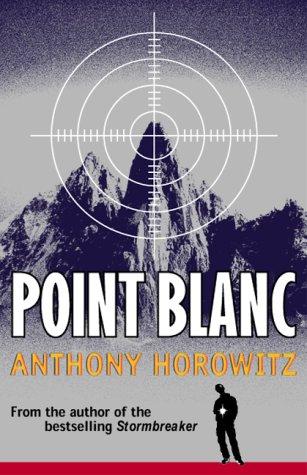
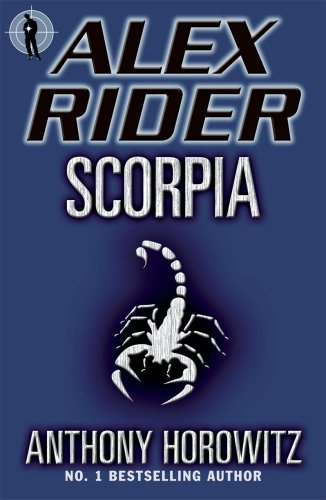
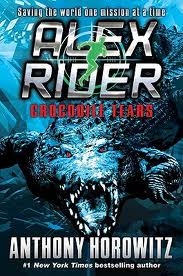
Grade 9: The curriculum for 9th grade is centered around independent reading and choice, but there are units devoted to Greek/Roman Mythology and Anglo-Saxon legends such as King Arthur. I did find a dozen assorted copies of The Lightning Thief, The Sea of Monsters and The Titan’s Curse all by Rick Riordan. While these books are a little below 9th grade level, they dovetail very nicely into the mythology units, and students who may have missed these books in middle school can now make connections to the gods and goddesses of ancient cultures. I also picked up a bagful (20+!) of Anthony Horowitz books: Point Blanc, Scorpia, Crocodile Tears, and Stormbreaker. Thank you to those avid Alex Rider fans!

Grade 10: Night by Elie Wiesel is a core text, as it is in most high schools, and I picked up 11 copies of this memoir. I added 14 almost new copies of Khaled Hosseini’s  The Kite Runner; we almost have 100 copies now for this core text for world literature.

A popular text for 10th grade boys

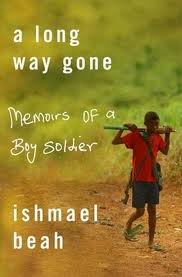
I found five copies of A Long Way Gone: Memoir of a Boy Soldier by Ishmael Beah.Many of my sophomore students, mostly boys, read this book as an independent read. When I asked them what was good about this book, several indicated the pace and action kept their interest. Perhaps the most important testimony came from a student who said the worst part of the book was, “that what happened to Ishmael was real.” Savings on this text ($7.20/paperback) alone was $31.00.

Grade 11: I found two brand new copies of Bury My Heart at Wounded Knee by Dee Brown. I was pleased to see this book re-released and I am planning on adding a few more copies to the Native American unit that starts the year. To complement this non-fiction classic, I located four copies of Michael Dorris’s Yellow Raft in Blue Water, a more contemporary view on Native American life.

Adding this to Memoir class

Adding this to Memoir class

Grade 12: The Memoir class is the easiest to find books for independent reading. I found two copies of It’s all over but the Shoutin‘ by Rick Bragg which came highly recommended. I also located more copies of Alice Sebold’s Lucky which is very popular with my female students. After today, I now have enough copies (50+) of our core text of The Glass Castle by Jeanette Walls, so other buyers will not have any more competition from me.

Will be a core Text in Journalism

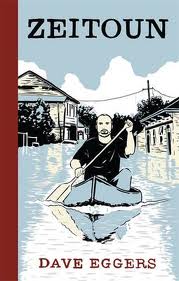
I found one copy of Dave Egger’s Zeitoun which will be a core text for Journalism in 2011. This amazing story follows Abdulrahman Zeitoun, a successful Syrian-born painting contractor, who stays in New Orleans after Hurricane Katrina. Eggers recounts Zeitoun’s journey through the city in acts of heroism, compassion, and tragedy in a riveting narrative. This text is always a “find” for me.

Other: I found five copies of Dava Sorbel’s Longitude, which I plan to share with some science class….not sure who will be the lucky group? The gentleman who tallied up my large order (Thank you, Dick L.?) asked if he could have the sixth copy I had found. I would have happily paid for that copy based on his service; tallying ten bags of books is serious work, but he was happy to have a copy to purchase on his own to give to his grandson. For the psychology teacher, I collected four copies of Deborah Tannen’s You Just Don’t Understand, and for social studies department, I located five copies of Founding Brothers by Joseph Ellis.

There was something for every reader at this book sale. The efficiency of the volunteers re-stacking the tables (always appreciated)  and those working the cashier’s tables made for a smooth event. The chairman of the sale, Mimi Greenlee, and her team of volunteers are to be credited for their efforts. Book dealer “return” bins, well-marked  sections for literary genres, and an express lane for smaller orders made the sale run efficiently. A tent full of Children’s Literature separated from the other genres this year was also appreciated; my biggest competitor here was an eleven year old girl with an armful of paperbacks, which is always a wonderful sight for a teacher.

Total cost for 10 bags of QUALITY TEXTS? $306.00 Several of these books retail for substantially more than $10.00 copy; I figure that my retail cost would have been over $3,000.00.

I felt like Julius Caesar: I came, I choose, I conquered!