This first day of October in Connecticut was not emblematic of classic cool crisp fall days. Instead, a blanket of humidity hung over the rain-soaked state which received another several inches the night before the Saturday book sales in Brookfield and Washington.  Separated by 17 miles but sharing the same weather, the make-up of the two sales could not have been more different.
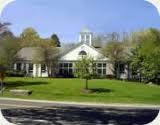
Brookfield Library

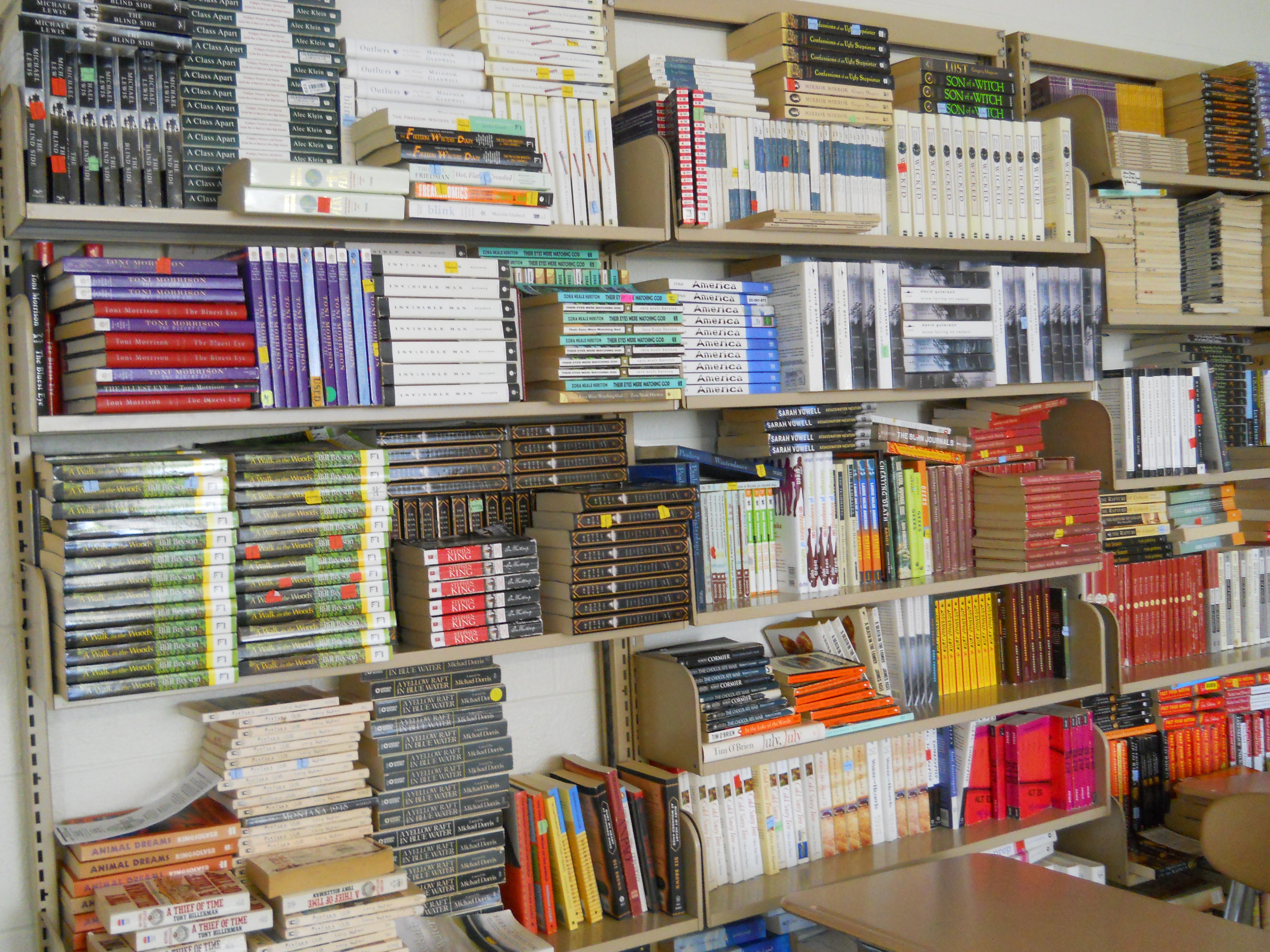
I arrived several minutes early to the Brookfield Public Library and found volunteers poking a rain-saturated tent that was bowed holding several gallons of water and looming precariously over a table. Fortunately, the bulk of the sale was held indoors in the community room.  Tables were filled with books; boxes were stacked below. This year residents donated generously and as a former resident myself, I was also familiar with many of the volunteers who year after year tirelessly support the library. They were very helpful with other patrons, (“Jodi Picoult books? Oh, we have as many as you want…take them, take them all, please!”). They restacked tables and manned the checkout tables very efficiently. Some titles were misplaced (non-fiction slipped into the fiction section and vice versa) which meant that a careful perusing of the titles was necessary.  However, this strategy could also be a clever sales ploy, so I spent time and examined books on every table on the off chance there would be a misplaced book that I could use. Such diligence paid off because I found copies of Bill Bryson’s A Walk in the Woods on five separate tables.
Five additional copies brings the classroom library total to 75 copies for the English II classes

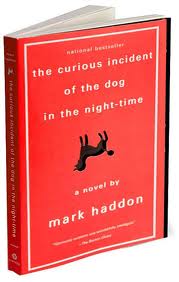
Bargains at this sale included five copies of Mark Haddon’s The Curious Incident of the Dog in the Night-Time, four copies of Alice Walker’s The Color Purple, and two copies of Toni Morrison’s The Bluest Eye. There were also multiple copies of Mark Salzman’s Lost in Place from a town-wide read several years ago. I also turned up a boxful of copies of Khaled Hossani’s The Kite Runner but left them for others; we already have a class set!  The presence of multiple copies means, of course, that Brookfield has many book groups (I am speaking from personal experience). Only book clubs can explain the multiple copies of titles such as Elizabeth Strout’s Olive Kitterage, and Sue Monk Kidd’s The Secret Life of Bees. Other excellent finds in the young adult section included Nancy Farmer’s The House of the Scorpion, M.T. Anderson’s Feed, and Jarry Spinelli’s Stargirl. I filled two bags.

Washington, CT-Gunn Library

In contrast, the book sale at Washington’s Gunn Library was filled with singular copies of books. The basement of this deceptively large library was filled to capacity with books, which was surprising given the steady stream of people leaving with bags filled with books. Titles were displayed along the walls on well-marked shelves and on tables, and the variety of titles was impressive. There was an array of biographies, history, fiction, self-help and cookbooks, but duplicate copies of titles were almost impossible to find.  Performing arts literature was subdivided into music, art and dance on an overflowing table. Romance was relegated to two boxes under the fiction paperback table. A section of the sale at the entrance was dedicated to autographed copies of books. Rare books were provided a separate space. All of these genres contained singletons. Considering the number of solo copies, one wonders about the reading habits of the residents of Washington.  Is breadth of literature a community goal? Do they pass single copies from resident to resident rather than buy in bulk? Is this book sale a giant exchange site?

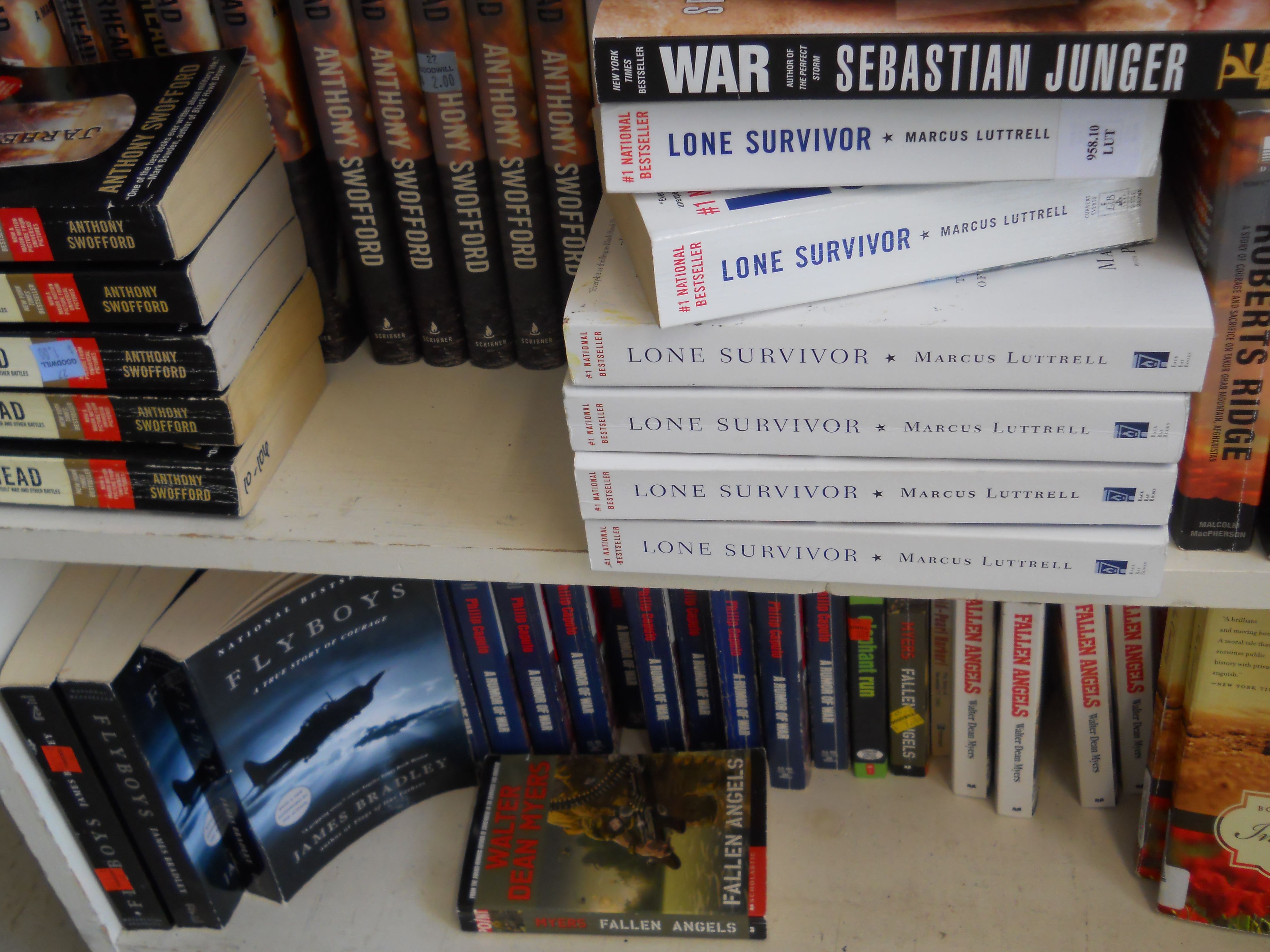
In any event, there were excellent new choices to add to the memoir class shelves including Ying Ma’s Chinese Girl in the Ghetto and Meredith Hall’s Without a Map: A Memoir. There were also new copies of Ishmael Beah’s A Long Way Gone, Anthony Swofford’s Jarhead and Michael Paterniti’s Driving Mr. Einstein. The young adult’s section included a copy of Suzanne Collins’s Gregor the Overlander. Needed titles located included Bobbie Anne Mason’s In Country, Arthur Miller’s Death of Salesman, Zora Neale Hurston’s Their Eyes Were Watching God  and Leslie Marmon Silko’s Ceremony. In addition, I located a a copy of Tim O’Brien’s Going after Cacciato and Cormac MacCarthy’s Cities of the Plain to add to English III independent reads. Volunteers at the sale were also efficient re-stacking the tables throughout the morning, while wisely choosing to keep their distance from the heavily trafficked children’s section.

The difference in titles available from each of these communities in the Northwest corner of Connecticut could not have been more different, but I spent the exact same amount at each (about $62.00)  for almost the exact same number of books. In total, I purchased 111 books for $123.50. It was the best of book sale days; it was the worst of weather starts for October.

Where I can get used books online AND save the planet? Where can I find multiple copies of a text AND support literacy efforts in Third World countries? Better World Books is the online website for the ecologically concerned and the socially conscious. According to the website, “We were founded in 2002 by three friends from the University of Notre Dame who started selling textbooks online to earn some money, and ended up forming a pioneering social enterprise — a business with a mission to promote literacy.” The short video explains how they started and what they do:

This enterprise partners with local library books sales. Enter a zip code, and a map of participating libraries pops up. Clicking on one of the libraries shows the books they have for sale. Libraries and campuses can donate books and share the proceeds from sales of those books.  The site has a section devoted to the buying and selling of textbooks. Books in good condition can be donated to this site, as well.  Service organizations can organize book drops in their communities. Every conceivable option to the buying and selling of used books is covered on the Better World Book web site. There is also an option to donate books at no cost; Better World Books will pay for postage.

I have been successful in securing odd copies of texts when I am short one or two copies to make a class set. I have ordered copies of  the hard to find Louise Erdrich’s Love Medicine for $6.98 which normally retails for $12.50 and Larry Watson’s Montana, 1948 for $6.98 which normally retails for $11.20. Recently, I ordered 20 copies of The Curious Incident of the Dog in the Night-Time by Haddon for $3.98 each; the book retails for $8.73 – a savings of $95.00. All books arrived on time and in good condition. There are sales on this site as well; bargain books are marked 50% off the already low sale price.

Best of all? The shipping is FREE! Not so with other used book sites charge a minimum of $3.99 for each book sent.  In addition, the most entertaining  confirmation notice I have ever received from a company has come from Better World Books. I purchased several used copies of Night, October Sky and The House on Mango Street because I could not find enough in local book sales for class sets. Not only were the used book prices reasonable, but the July sale included an additional 15% off the entire order.  A week later I received an e-mail to tell me the books were shipped. The correspondence read as follows:

Hello,
(Your book(s) asked to write you a personal note – it seemed unusual, but who are we to say no?)
Holy canasta! It’s me… it’s me! I can’t believe it is actually me! You could have picked any of over 2 million books but you picked me! I’ve got to get packed! How is the weather where you live? Will I need a dust jacket? I can’t believe I’m leaving Mishawaka, Indiana already – the friendly people, the Hummer plant, the Linebacker Lounge – so many memories. I don’t have much time to say goodbye to everyone, but it’s time to see the world!
I can’t wait to meet you! You sound like such a well read person. Although, I have to say, it sure has taken you a while! I don’t mean to sound ungrateful, but how would you like to spend five months sandwiched between Jane Eyre (drama queen) and Fundamentals of Thermodynamics (pyromaniac)? At least Jane was an upgrade from that stupid book on brewing beer. How many times did the ol’ brewmaster have one too many and topple off our shelf at 2am?
I know the trip to meet you will be long and fraught with peril, but after the close calls I’ve had, I’m ready for anything (besides, some of my best friends are suspense novels). Just five months ago, I thought I was a goner. My owner was moving and couldn’t take me with her. I was sure I was landfill bait until I ended up in a Better World Books book drive bin. Thanks to your socially conscious book shopping, I’ve found a new home. Even better, your book buying dollars are helping kids read from Brazil to Botswana.

A company that is spreads literacy while being ecologically friendly, socially conscious, and funny? Better World Books is a great resource for those looking for good quality books on the cheap.

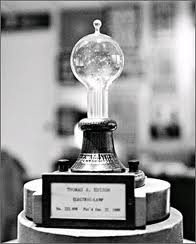
There is an anecdote about Thomas Edison whose most memorable invention was the light bulb. Apparently, this invention took  1,000 tries before he finally succeeded in developing a light bulb that worked. “How did it feel to fail 1,000 times?” a reporter asked. “I didn’t fail 1,000 times,” Edison responded. “The light bulb was an invention with 1,000 steps.”

Edison's successful light bulb was the result of 1000 failures

At 40 years old Edison already had a long list of successful patents. However, in his response, he framed his failures as steps in the invention process, and because of his persistence in learning from his failures as he developed the incandescent bulb, the opening of the 20th Century was bathed in light.

Edison’s story illustrates that learning starts in failure; attempts are steps to success.  Unfortunately, allowing for failure as a part of the learning process has become a major issue for educators as evidenced in the article by Paul Tough, “What if the Secret to Success Is Failure?” which was the cover story in the Sunday, September 14, 20011, education issue of the New York Times Magazine.

In the article, Tough interviewed both Dominic Randolph, the headmaster at the exclusive Riverdale Country School in New York, and David Levin, the co-founder of the Knowledge Is Power Program (KIPP), a national network of schools in 20 states, who also serves as the superintendent of the KIPP schools in New York City. Both educators argued for the inclusion of character building in order for students to achieve success in school but more importantly beyond school. In the article, Randolph referred to this quality as “grit”, something he explains he developed in his years of trial and error dropping out of college, working at low-paying jobs, and in traveling abroad. “’The idea of building grit and building self-control is that you get that through failure,’ Randolph explained. ‘And in most highly academic environments in the United States, no one fails anything.’”

Randolph has pushed Riverdale to adopted a character initiative and placed K.C. Cohen, the guidance counselor for the middle and upper schools, and Karen Fierst, a learning specialist in the lower school in charge of the initiative.  Both Cohen and Fierst admitted to Tough that they have experienced pressure from parents or guardians who have on occasion hindered a student’s opportunity to learn from failure.

Tough summarizes the  the problem as being one,

  “… for all parents, not just affluent ones. It is a central paradox of contemporary parenting, in fact: we have an acute, almost biological impulse to provide for our children, to give them everything they want and need, to protect them from dangers and discomforts both large and small. And yet we all know — on some level, at least — that what kids need more than anything is a little hardship: some challenge, some deprivation that they can overcome, even if just to prove to themselves that they can. As a parent, you struggle with these thorny questions every day, and if you make the right call even half the time, you’re lucky. But it’s one thing to acknowledge this dilemma in the privacy of your own home; it’s quite another to have it addressed in public, at a school where you send your kids at great expense.”

I would suggest, the expense of a school, namely tuition, is a small factor in this dilemma; all educators-public or private- confront this paradox daily. Like many of the administrators or teachers interviewed for the article, I have received calls from parents complaining about grading, teacher policies, or assignment(s) that have resulted in a failing grade. Some calls may merit intervention on my part as department chair, but more often the request by the parent is one to change a grade, to accept mediocre work, or to not hold a student accountable for an assignment. Many educators feel that the mantra made famous at at NASA, that  “failure is not an option”, has become an underlying educational principle in schools today.

I suggest that schools are the best places -the safest places-to learn the lessons of failure. In fact, I suggest that schools must allow students to learn how to fail. Teaching students to complete a task or assignment is akin to teaching students the scientific method, and the scientific method accepts failure as an outcome. Assignments require students to define, to gather, to form, to test, to analyze, and/or to interpret. In failing to complete an assignment successfully, a student should reflect. Maybe something went wrong with a calculation or with the method of studying, of completing the homework, of preparing the report, of relying on members of a team. Perhaps the student has incorrectly estimated the length of time a particular assignment will require. Possibly there was a lack of materials-or a book left home or a paper lost. Why an assignment’s response was a failure is part of the learning process. Instead,  failure to meet the requirements of an assignment has led to excuses, and the unfortunate reality of today is that increasingly, the excuses come from the parent or guardian. Failure should be an opportunity for a student to reflect and learn “what went wrong?” Intervention by a parent or guardian at this critical moment disrupts an important life lesson.

Of course, there are a myriad of support systems in schools state by state to help many students be successful. Connecticut requires several tiers to aiding students K-12 in Response to Intervention (RTI) programs. All states are federally mandated to provide special education programs. Most importantly, there are teachers in every school system nationwide who provide students with extra help, extra credit, and/or opportunities for re-takes or rewrites. All of these support systems are there to help private and public schools to prepare students to be productive citizens in the real world.

The real world, however, is often not as kind. The support services so prevalent in schools today do not exist for most high school graduates. Extra help may be difficult to find, extra credit projects do not exist, and federally mandated programs are limited in services to graduates. In preparing their students to meet the real world, Randolph and Levin have included character building in the academic day of their respective institutions citing a need to have students practice character traits that help them cope with failure. Tough’s article concludes that students need to learn to deal with failure “in order to lead happy and productive lives.”

In learning how failure can prepare them for life, students may need to develop the character  trait of  persistence, the same persistence exhibited by Edison to tackle a problem 1000 times. Want a more contemporary model? Then look at Michael Jordan who is quoted as saying, “I’ve missed more than 9000 shots in my career. I’ve lost almost 300 games. Twenty-six times I’ve been trusted to take the game winning shot and missed. I’ve failed over and over and over again in my life. And that is why I succeed.”

Students need to practice how to turn an experience of failing into a lesson for success, while parents need to allow their children the opportunities to learn how to deal with failure. Yes, failure in school can be emotionally painful, but failure to prepare students for real life is unconscionable.

The Wamogo classroom libraries have many new titles, so perhaps an explanation as to how these titles are allowed into the classrooms at Wamogo for independent reading is in order.  Most of the books in the classroom libraries are books already available in the school library’s main collection. Unfortunately, like most schools, there have been, on occasion, challenges to titles taught or made available in classrooms in grades 7-12. Book challenges are made when a parent or guardian objects to content in a book, and there are some titles that receive challenges more frequently than others.

There are two steps that our English Department members employ in order to meet the requirements of a reading curriculum with the requests of parents or guardians. The first step is to offer students a choice in selecting independent reading or to offer an alternate core text. Because of our extensive used book collection, (see our book flood!), our English teachers are often able to offer another title instead.

The second step employed is the focus on lessons that develop skills rather then then lessons that dwell on content. Our curriculum incorporates activities and prompts that address similar themes or topics, so that the difference in titles does not impact a lesson. Prompts such as, “What is the role of the main character in his or her family? Does that role change?” are designed so that students do not always need to be reading the same text in order to participate.  For example, the Contemporary Native American unit in Grade 11 is centered on Barbara Kingsolver’s The Bean Trees as the core text. Titles offered as alternates or for independent reading include Sherman Alexie’s The Absolutely True Diary of a Part-Time Indian or  Reservation Blues, Larry Watson’s Montana 1948, Louise Erdrich’s Love Medicine, Leslie Marmon Silko’s Ceremony, Tony Hillerman’s A Thief of Time, Dee Brown’s Bury My Heat at Wounded Knee, and Codetalkers by Joseph Bruchac. Students can choose a different book in this unit and still answer the prompts and participate in activities individually or in literature circle groups. One topic that connects these titles is how Native Americans view others and how they are viewed by others in society.

Unfortunately, book challenges are often in schools made against many of the books that are in the classical canon of literature.

A YouTube compilation quickly lists the top 100 banned books:

In fact, it would be impossible to teach a survey of American literature without incorporating at least one challenged title; most are on the Advanced Placement Literature recommendation’s list. The American Library Association (ALA) keeps a record of book challenges throughout the United States.  There are lists of books that have been banned; one such  web page  is titled The Top Ten Banned or Challenged Classics.

The reasons for challenging a book are as varied as the books themselves. The entire Harry Potter series has been challenged for a number of reasons dealing with witchcraft; one challenge called the series “evil” attempt to indoctrinate children in the Wicca religion. Harper Lee’s To Kill a Mockingbird has been repeatedly challenged for containing profanity. Mark Twain’s Huck Finn was recently challenged in Connecticut for the repeated use of a derogatory term. These challengesdiffer from the specific objections leveled against Nabokov’s Lolita which has been banned for the obsessive relationship of the middle-aged Humbert Humbert’s with the 12 year old “Lolita”. These examples illustrate the breadth of topics than can result in book challenges or having the book banned entirely.

As a result, most teachers “self-censor”, choosing materials that they consider not objectionable, harmful, or insensitive for students.  However, there are instances where a teacher may not anticipate a challenge; what one group of parents deems inappropriate may not concern another group of parents.

Our solution is to offer a student choice in reading materials which necessitates that more titles representing a wide variety of reading levels are made available to students. Book choices for students are often advertised on websites such as Livebinders  or on a class wiki which is public.  Concerns about the merits of a book should be weighed by all stakeholders- parents, students and teachers- if there should be a question about a student selecting a text. Having a title available may not be enough of a reason to incorporate the book into a lesson plan or unit. Confronting concerns immediately in the teaching of any text is a priority.

In order to draw attention to book challenges in schools and public libraries, the American Library Association publicizes a Banned Books Week. This year, banned book week will run from September 24- October 1, 2011.They organize activities and materials in order “to highlight the benefits of free and open access to information while drawing attention to the harms of censorship by spotlighting actual or attempted bannings.” Educators are often the first to encounter challenges for book removal. Offering choice may be the most successful way to accommodate the parent and still engage the reader.

The New Fairfield Public Library Book Sale  took place on a lovely fall day; a crisp and cool Connecticut beauty of a day. Unfortunately, the sale also took place in the same locale where the local highway department was painting the parking lot lines at the front of the building,  and where the soccer club practice with team coordinators were handing out team jerseys at the back of the building. The actual book sale was held in a meeting room and a small entry hallway. At 10:00 AM, shopping at the sale was challenging between finding a spot to park outside and negotiating cramped quarters inside.

There were, however, some bargains to be had. Browsing was a shared experience with several other buyers; I would remove a box piled with books to one section, while another person would replace that box with another. Crawling along the front hallway floor which held boxes of trade paperbacks, I was able to locate copies of Codetalkers by Joseph Bruchac and A Yellow Raft in Blue Water-Michael Dorris for the Contemporary Native American unit that is being taught this month in Grade 11. I was also able to add to our curriculum collection:

The Giver- Lois Lowery
Night-Elie Wiesel
The Great Gatsby-F. Scott Fitzgerald
Lord of the Flies-William Golding
Brave New World-Aldous Huxley
The Road-Cormac McCarthy
The Handmaid’s Tale- Margaret Atwood

An independent choice book for Grade 11.

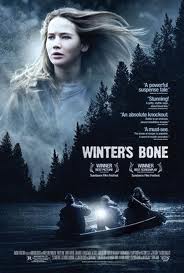
The “score” of the morning was a new copy of Winter’s Bone by Daniel Woodrell.  This is the fourth copy I have found this summer, and the book will be placed in the “Coming of Age” unit in Grade 11 as an independent choice novel. The School Library Journal reviewed this book for high school students saying, “In the poverty-stricken hills of the Ozarks, Rees Dolly, 17, struggles daily to care for her two brothers and an ill mother. When she learns that her absent father, a meth addict, has put up the family home as bond, she embarks on a dangerous search to find him and bring him home for an upcoming court date. Her relatives, many of whom are in the business of cooking crank, thwart her at every turn, but her fight to save the family finally succeeds. Rees is by turns tough and tender. She teaches her brothers how to shoot a shotgun, and even box, the way her father had taught her. Her hope is that these boys would not be dead to wonder by age twelve, dulled to life, empty of kindness, boiling with mean.”  When I read the novel, images of the witches from Macbeth came to mind!

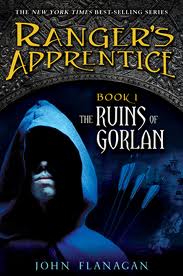
For the independent reading shelves, I also located a copy of Dairy Queen by Catherine Gilbert Murdock, Book Two The Ruins of Gorlan in The Ranger’s Apprentice Series by John Flanagan , After by Francine Prose, and Ape House by Sara Gruen (surprising since this is a recent release).

New Fairfield’s sale offered far more hardcover fiction texts than trade paperbacks, and the children’s picture books were overflowing the small table to which they had been assigned. This could be an indication of a shift in population to more elementary aged choices….the New Fairfield babies are growing up!

Once I brought my two baskets to the counter, the volunteers at the checkout were gracious and accommodating. They were prepared with bags for purchases, and at my request  one quickly designed a receipt for me. (“Last year, I had a pile of receipts, but no one need them, wouldn’t you know?”)

Hardcovers were $2.00, trade paperbacks were $1.00, and small paperbacks were $.50. Sunday was “Bag day”-all books in a bag for $10.00.  I purchased only trade and small paperback on this trip and spent $26.00 for 32 books. These will be added to the school’s “book flood“.

The volunteers picked a perfect weekend for people looking for book bargains. Perhaps next year there will be better coordination of traffic outside the library and inside the sale so the efforts of the Friends of the New Fairfield Public Library are fully supported.

Classrooms are several feet deep in a “book flood” at the Wamogo Middle and High School.

Junior classroom library created with used books

While there has been a torrent of late summer rains that have closed roads and delayed schools in the Northwest corner of Connecticut, our students are experiencing a deluge of an entirely different nature. Gently used books spill over in classroom bookcases; they slop on to counters and swamp several double-sided carts.

The term “book flood” is used by Kelly Gallagher in Readicide.  He states, “Let me be clear: if we are to have any chance of developing a reading habit in our students, they must be immersed in a K­12 ‘book flood’–a term coined by researcher Warwick Elley (1991)” (43). Book flood is a theory, recently tested in countries (Fiji, Sri Lanka, Singapore) where English is not part of the culture.  The theory is that students exposed to quantities of literature will learn English as a second language more effectively.

The abstract for The Potential of Book Floods for Raising Literacy Levels by Warwick B. Elley states that “the evidence is now strong that it is possible to double the rate of reading acquisition of Third World primary school pupils with a ‘Book Flood’ of about 100 high-interest books, per class, and short teacher training sessions. The benefits for reading skill and enthusiasm are consistent across diverse cultures, mother tongues and age levels, and they appear to generate corresponding improvements in children’s writing, listening comprehension, and related language skills. Such skills are typically found to develop very slowly under traditional textbook styles of teaching.”

Gallagher suggests that American educators do the same in their classrooms by asking, “Do students at your school have access to a wide range of interesting reading materials? Is providing access to interesting text a priority among your administration and faculty? Are students on your campus immersed in a book flood? Are we giving them every opportunity, via reading, to build vital knowledge capital?” (49).

Well, we are.

11th grade choices that accompany the Contemporary War unit with The Things They Carried

Over the course of one year (June 2010-2011), the Wamogo English Department had added 2,500 books previously used books to the classroom collections. Many of these books are familiar titles that are taught in grades 9-12 (EX: The Great Gatsby, Lord of the Flies, Animal Farm, Speak, The Glass Castle, A Lesson before Dying, The Bean Trees, To Kill a Mockingbird, The Handmaid’s Tale) or titles taught in  grades 7 & 8 (EX: Stargirl, Nothing but the Truth, The Giver, The Light in the Forest, The Outsiders, No More Dead Dogs).

Additionally, class sets of books (20 -30 copies) that were already purchased as new books were expanded with used copies for each student at grade level. For example, the 10th grade library started with 20 copies of The Kite Runner. After two years, there are now 116 copies for 10th graders, one for every student, plus all teachers and teachers’ aides. There are also 15 copies of A Thousand Splendid Suns for students who would like to read another novel by Khaled Hossani. Similarly, 20 copies of Mark Haddon’s The Curious Incident of the Dog in the Night-Time were purchased new in 2009. An additional 67 used copies have been added since; 13 more copies will make a grade level set of 100 copies.

Books offered to Advanced Placement English Literature students for independent reading

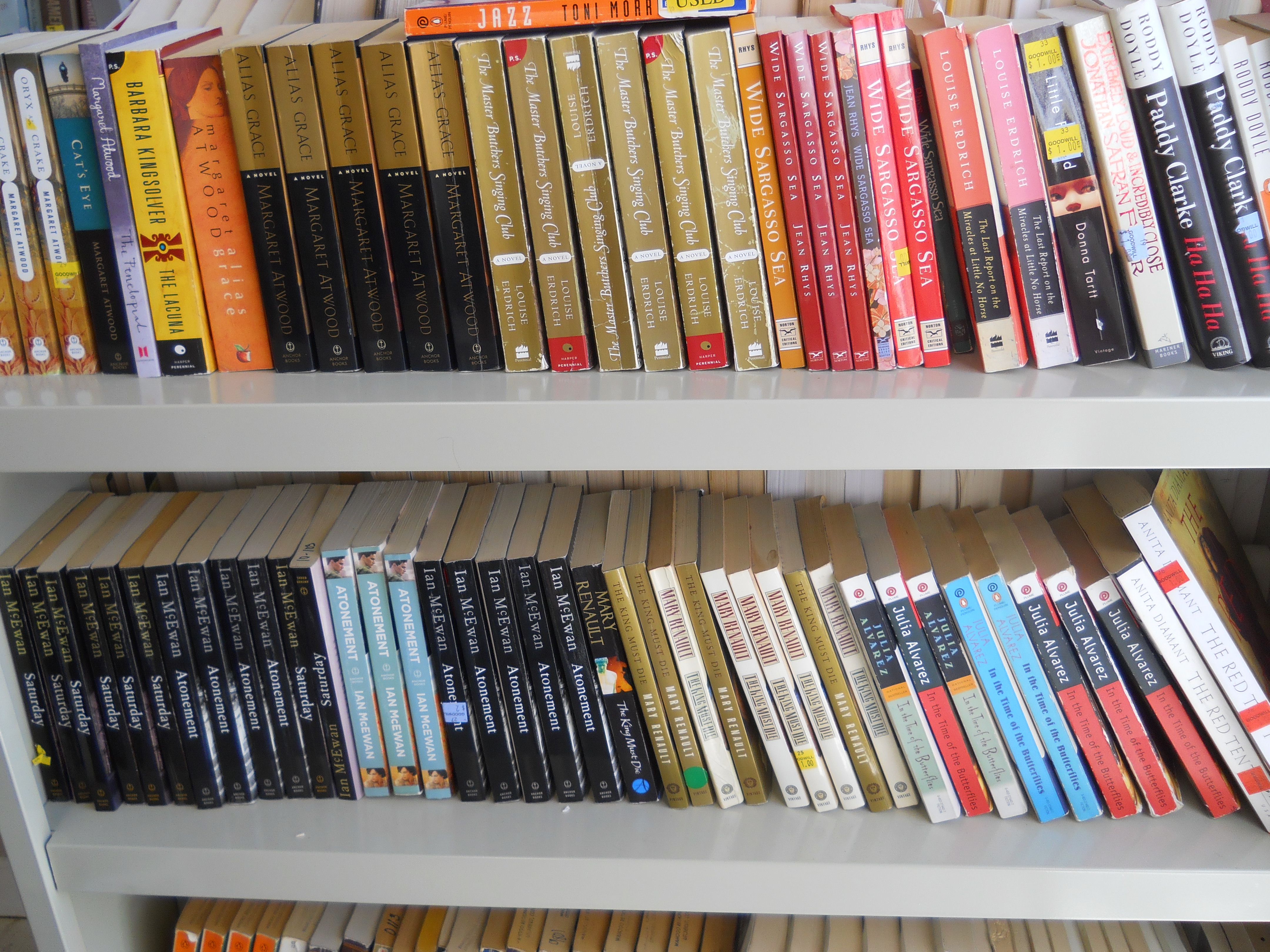
In order to offer independent choices for the Advanced Placement English Literature and English Language classes, newer titles have been added including multiple copies (4-30) of  The Plot Against America, Alias Grace, The Adventures of Kavalier and Clay, Middlesex, The Story of Edgar Sawtelle, The Poisonwood Bible, In Cold Blood, Love in the Time of Cholera, Paddy Clarke Ha-Ha,  Dinner at the Homesick Restaurant, The Elegance of the Hedgehog, Cold Mountain, Ironweed, The Wide Sargasso Sea, Gertrude and Claudius, Atonement, The Hours, and The Memory Keeper’s Daughter.

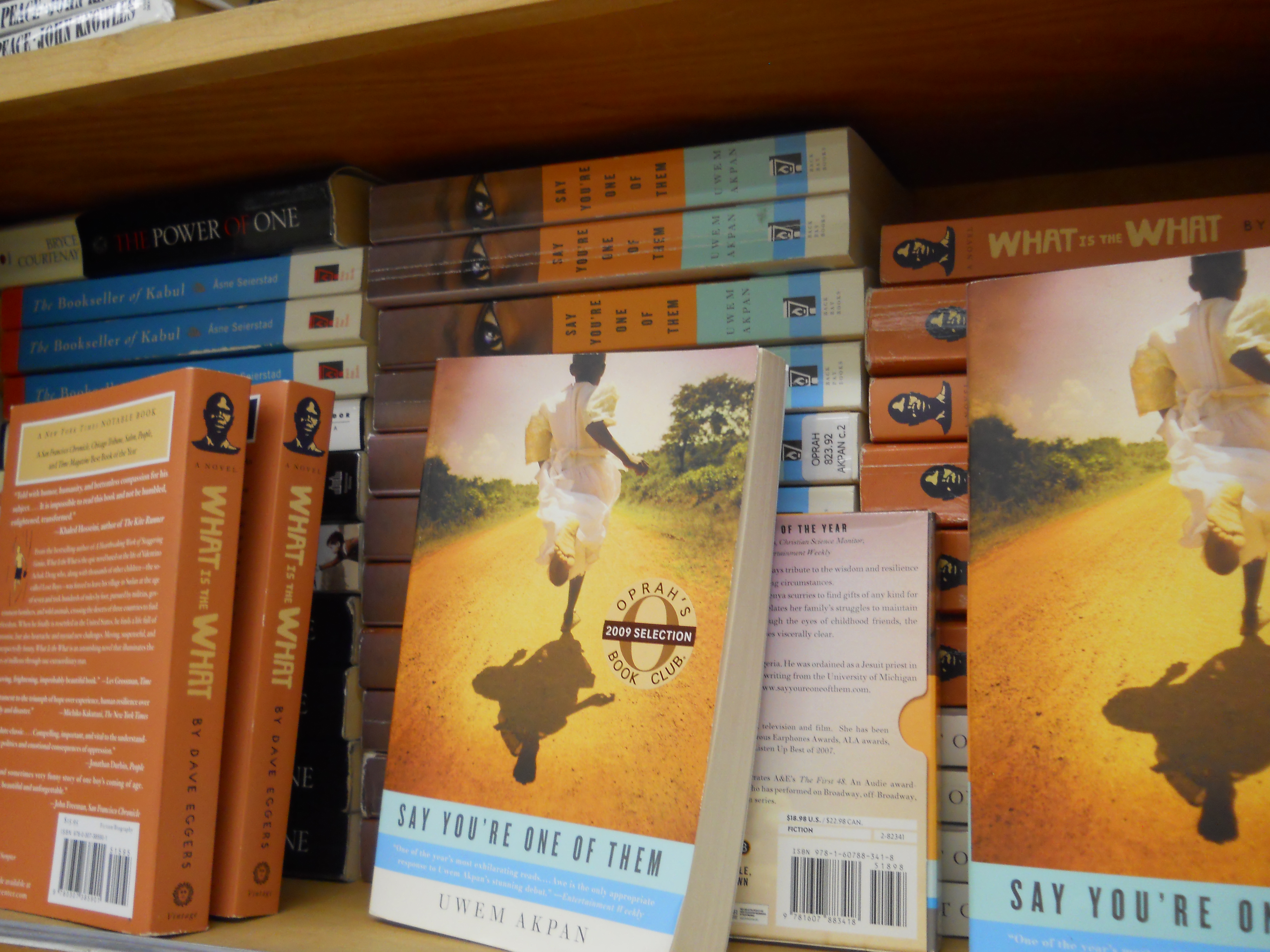
There are thematically connected texts for 10th grade World Literature such as a unit centered on adolescents growing up in conflict. These books include A Long Way Gone, The Power of One, What is the What, and First They Killed My Father. Students can choose to read one of these titles in literature circles. There are also thematically connected texts for non-fiction (A Walk in the Woods, Into the Wild, The Perfect Storm, Touching the Void, The Hungry Ocean, Between a Rock and a Hard Place) and fiction  (The Bluest Eye, Their Eyes Were Watching God, The Color Purple, Invisible Man, The Known World, Monster, Precious, Native Son) for students in English III American literature to read independently or in groups.

10th grade "choice" books for Adolescents in Conflict unit

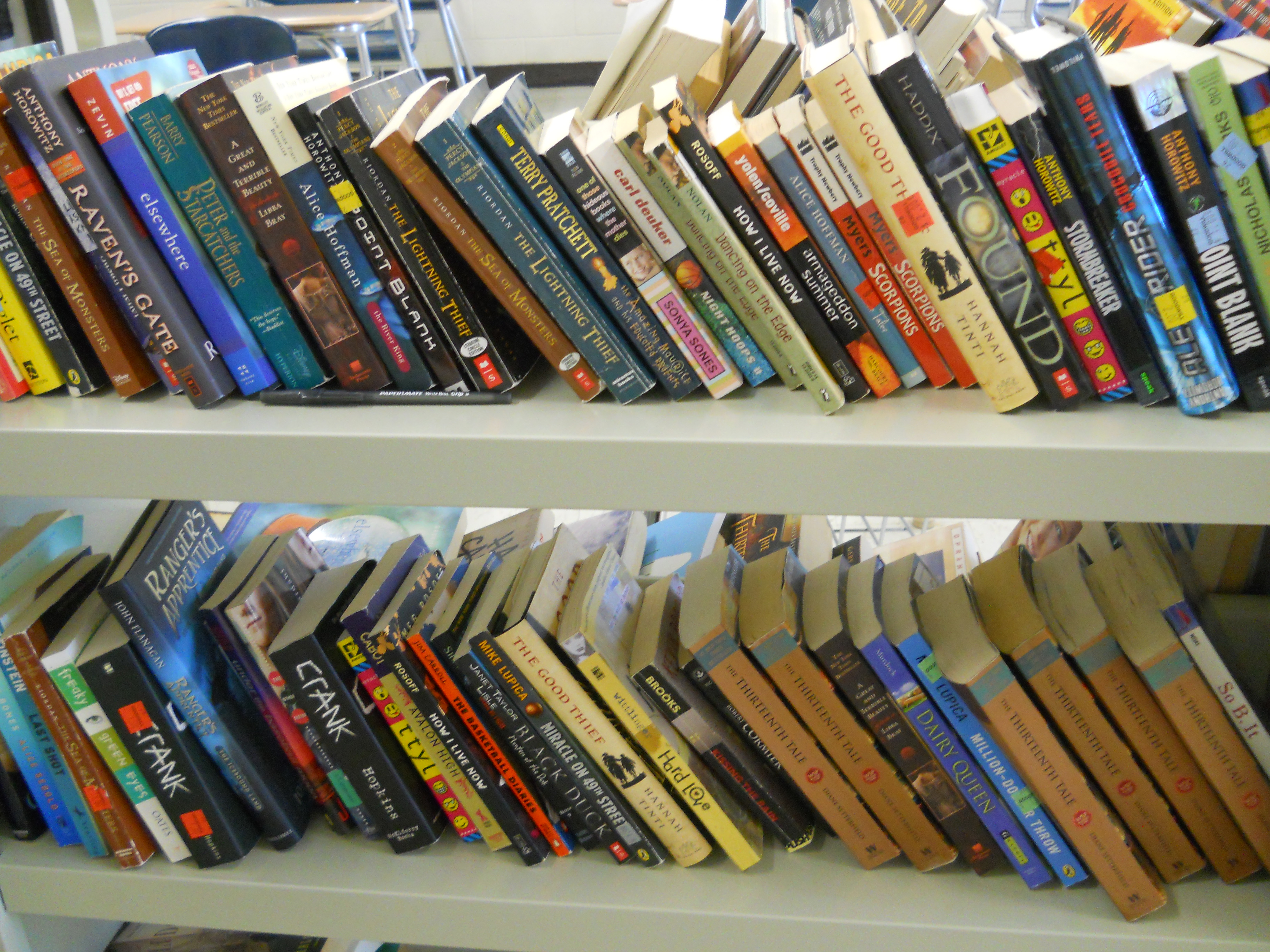
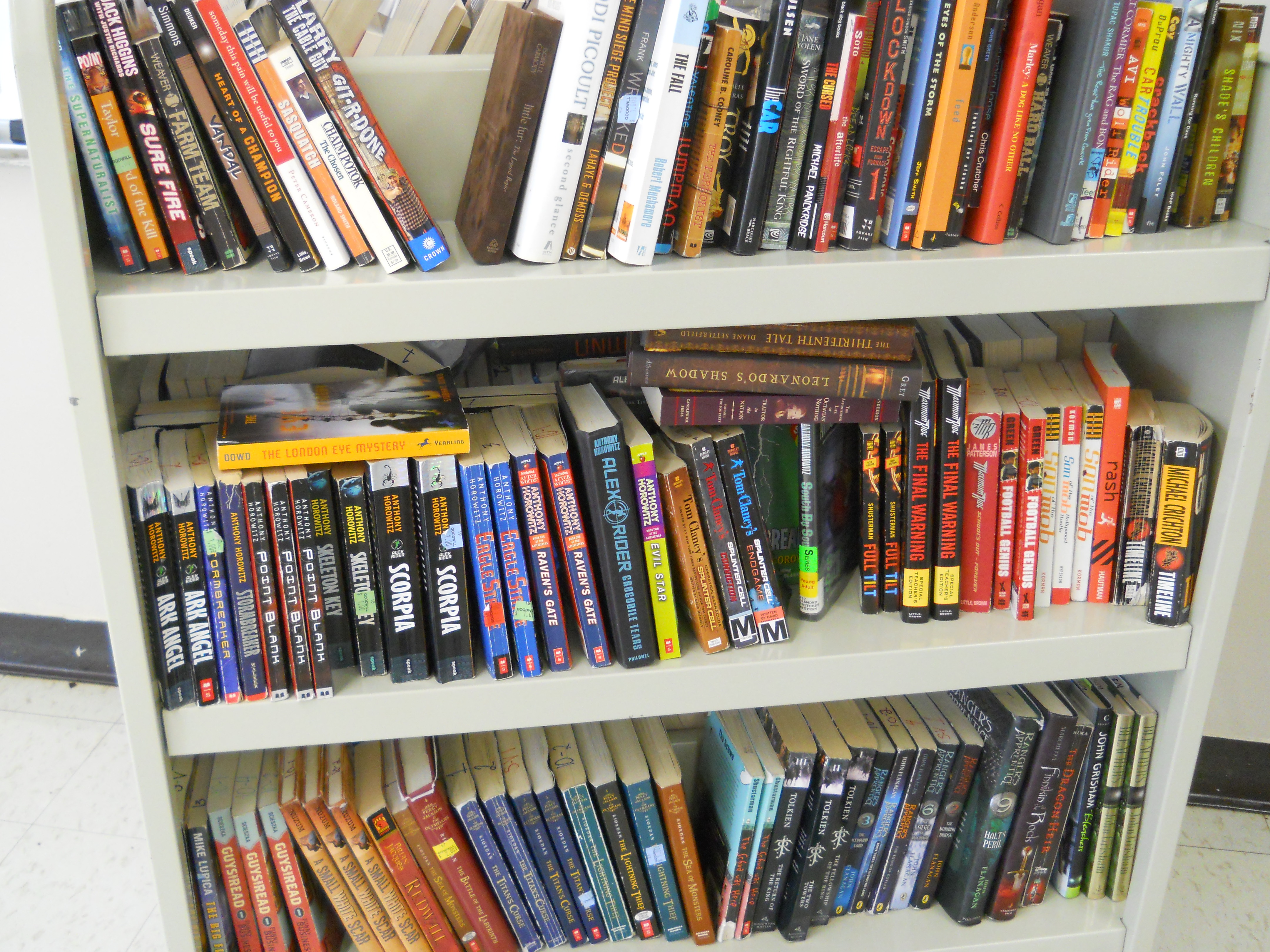
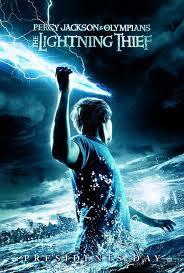
But, it is in the area of providing book choice for independent reading that the largest gains have been made in the classroom collections. There are book series (Percy Jackson and the Olympians, The Ranger’s Apprentice, Maximum Ride) available for 9th students to choose during Silent Sustained Reading (SSR) sessions. There are many different titles from popular teen authors: Meg Cabot, Anthony Horowitz, Jodi Picoult, Sarah Dessen and Scott Westerfield.

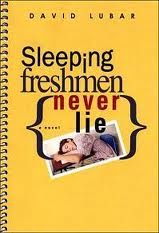
There are several (5-10) copies of books such as The Lovely Bones, Dairy Queen, So Be It, Where the Heart Is, and The Thirteenth Tale. There are pairs of books such as The Chosen, The Good Thief, Bad Kitty, Shadow of the Wind, Sleeping Freshmen Don’t Lie, Prom, and Life As We Knew It. There are single copies of The London Eye Mystery, The Off Season, The Compound, The Maze Runner, Black Duck, and Copper Sun.

Independent reading texts for SSR Grade 9

More Independent SSR choices for Grade 9

At the conclusion of the summer of 2011, after trips to thrift stores and public library book sales throughout Connecticut, another 1,700 copies of books have been added to our shelves at a cost of  approximately $2,300.00.

The “book flood” straining the banks of Wamogo’s classroom shelves is, as Gallagher suggests, wide-ranging; it is a flood saturated with interesting material to read. Our students are now inundated with titles; our teachers have an overflow of suggestions. We have created the one flood in which I could happily watch students drown.

Many literacy experts recommend that the first step in designing a reading program is seek information on the reading habits of students or to survey the students. So, on Day 2 of school, 76 freshmen at Wamogo High School in Connecticut took a survey, 16 questions (taken from Kelly Gallagher’s Readicide) prepared on Google Docs, titled, “How I Feel about Reading”. Their responses to the survey were candid and may, in fact, represent the reading habits of high school  students in the class of 2016 in general.

The first question was encouraging. 2/3 of the students responded positively to the question “I think reading is fun” by checking off “usually” or “sometimes”. However, this statistic means that 33% said they “rarely” thought reading is fun. Hopefully, providing choice and support with Silent Sustained Reading (SSR) will improve attitudes towards reading.

64% do understand the importance of reading when asked if  “being a good reader is important for success in school”; 34% indicated “sometimes” while only 2% were in the negative. In responding to this question, the students included the following interesting observations.

  • “I think reading is worthwhile because there are so many types of books in the world. Whether they are feeding you information or keeping you entertained books are definitely worthwhile!”
  • “It’s fun to read a good book. you totally get sucked into the book and you don’t even realize your reading. Reading is important because usually, jobs require you know how to read. and some jobs require that you read a lot. reading also strengthens grammar, spelling, writing, reading, and even the way you talk.”

The best response was to this question was, “It’s [reading] like a movie in your head, and I think that it is great to be able to imagine what the setting looks like, along with other things like the characters. It’s like the perfect world that you wish you where in. Sometimes I even think of myself as the main character, and it’s just amazing what you feel when you get into a book.” Such enthusiasm, however, was countered with the practical statement, “It [reading]  makes you sleep.”

While  71% felt strongly that “being a good reader is important for success in life,” and 24% chose  “sometimes”,  the number of those in the negative unexpectedly rose to 5%.

Students were also asked in the survey as to how they choose a book. Their advice centered on the length of books, covers, and topics:

  • “When I want to find a good book, I always check the back of the book where there is a short summary of it to see if it interests me. I also look to see who the author is and if I have read anything by them yet. Sometimes I ask my friends if they had read it and if they have a recommendation about it. And last but not least I check the pages on the middle and see if I am ok with the work type, and if I understand everything.”
  • “I like books about people who have gone through tragedies and are just moving on from it. I also like the books that have a little romance in it, and if they take place during the summer.”
  • “When is time for me to read a good book, I know that I don’t want to stop reading because it’s very good book.Sometimes when its not good book it takes me more time then anything. But I love books that are very interesting.”
  • “When I want to find a good book, I look at the length or the cover… sometimes I will go to a page and turn to it and see if it makes sense… and if the cover looks good.”
  • “Find a small book, (like 200 pages) and it has to be the right topic.”
  • “Go to the library and look for what I like in a good book. I usually look at the cover, the title, and the paraphrase on the back.”

Students also recommended books. Titles that received multiple votes (4 or more recommendations) included:

Hatchet
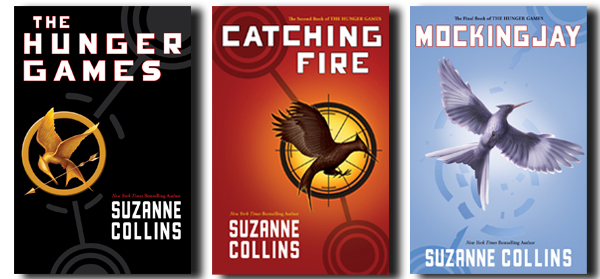
The Hunger Games
S0 Be It
Sleeping Freshmen Never Lie
Compound
The Maze Runner
The Rangers Apprentice series
Percy Jackson and the Olympians series (any title)

Copies of all of the above titles have been added to the 9th grade classroom library through used book sales, especially copies of books in the Percy Jackson and the Olympians series. These books, and several hundred others, are on (2) portable carts in the classroom ready for SSR periods.

Sadly, the most depressing statistic came from the results of the question, “I read every day and look forward to my reading time”. Here, only 9% of 9th grade students replied “usually” in contrast to the 91% of student who responded “sometimes” or “rarely”.

The goal is to change that particular statistic this year!

Opening day for Mark Twain Public Library Book Sale in Redding, Connecticut, is the stuff of legend. As Christmas is for young children, The Mark Twain Book Sale has sugarplums dancing in the heads of book dealers and book collectors. I have heard tell of book dealers snatching up wonderful finds-rare books, popular books, first editions, and autographed copies. To be honest, I have never been to this on the infamous “opening day”. I have always attended the sale on the Labor Day weekend sale on Sunday (1/2 price books) or Monday ($5/bag). Not to worry, the sale is a treat until the very end!

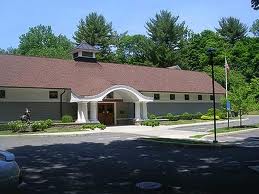
Mark Twain Library Building in Redding, CT

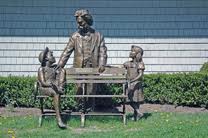
Mark Twain was a Redding resident; statue on library grounds

The annual sale was held in the Redding Community Center, located off Route 107 in Redding, Connecticut (the library is located at 439 Redding Road). This book sale run by the Friends of the Mark Twain Library is so well established as a Labor Day Weekend event, that publicity is not a factor. There were two main rooms organized for the sale; the top floor houses childrens’ books and media, the bottom floor holds all other genres. There were long tables clearly labeled with genre signs. An army of volunteers wearing green aprons for easy identification busily restocked tables, placing titles sideways for easy identification. Since I attended the on “bag day”, there were piles of doubled brown-paper bags ready for shoppers; checkout tables held staffers willing to help carry books out into the parking lot. The high degree of organization for this sale some 72 hours after the first shopper entered the building was a testament to work the volunteers must have put in preparing the sale.Only the most organized systems could have stood up to the number of shoppers over the weekend.

I was hoping to find copies of Larry Watson’s Montana, 1948.…I found three! I was looking for Sherman Alexis The Absolutely True Diary of a Part-Time Indian…I found two! There were also the standard five copies of Lois Lowery’s The Giver, two copies of Jerry Spinelli’s Stargirl, three copies of Edward Bloor’s Tangerine, and a copy of Marina Budhos’ Ask Me No Questions all for the middle school. I also located two needed copies of Mark Haddon’s The Curious Incident of the Dog in the Night-Time, and two copies of Anthony Swofford’s Jarhead.

On “bag day”, all books that can fit into the bag are $5.00, so I was fairly casual in collecting additional copies of books that we may not need immediately or that we will offer as contemporary novels to the Creative Writing class (Grade 12). There were several copies of Khaled Hossani’s The Kite Runner, Billie Letts’ Where the Heart Is, Curtis Sittenfield’s Prep, Anne Tyler’s Dinner at the Homesick Restaurant,  and Kim Edward’s The Memory Keeper’s Daughter. I also located three copies of Thomas Friedman’s Longitudes and Attitudes which will go to the Social Studies Department, and five copies of Deborah Tannen’s You Just Don’t Understand, for the psychology classes. The quantity of Tannen’s book still available on the last day of the sale did give me pause, however. I do hope that relations between the sexes in Redding are better than the title indicates.

Which brings me to a quick cultural study of Redding’s reading habits. Unlike other sales in the area, the tables of mystery and romance novels were far smaller than those in neighboring town book sales. Here, a multitude of cookbooks were organized by subject with diet cookbooks  separated across the aisle from their fattening counterparts. History tables delineated clean boundaries by wars; political books were separated from military memoirs. Books about nature were clearly separated several tables away from gardening books which were also clearly separated from animal books; here, nature was subdivided. The tables holding humor books were still full, an indication that either few books in the genre humor sold over the weekend or that the residents of Redding have an amazing appreciation for comedy. And where else but Redding could one find a table with a genre labelled “Ephemera”????

I paid $20.00 and collected 87 books. Amazing.

Maybe next year, I will go to opening day of the Mark Twain Book Sale and see the excitement of book dealers racing up and down the aisles with books stacked high to the ceiling….or maybe I will just continue to attend on the reduced price days. There were wonderful books available even after several days of shoppers plowed through the stacks on the tables, and the price was certainly right! The volunteers kept thanking me for attending the sale. No, thank you,.

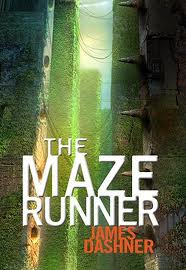
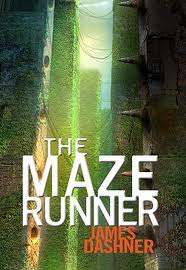
Hurricane Irene knocked out the power in Connecticut for two days, and when I found myself with unobligated time…I piled up a stack of books and read, happily companioned by a humming generator. One novel was a used copy of The Maze Runner by James Dashner (purchased from the Bethel Public Library Book Sale), and the book’s action paralleled the raging storm outside.

A teenager fights to survive in popular YA novel

This young adult (YA) novel is built on the premise that teenage boys (and one girl) are “tested” in a lethal maze in order to determine the best candidates to confront a deadly plague. The hero Thomas fights to save his life and the life of his friends from an unknown enterprise that exploits their talents for staying alive. I knew the book was one of a number of popular teenage novels (The Hunger Games trilogy, Matched, Unwind) which feature adolescents confronting, and in some cases toppling, dystopic societies. Many of these titles have recently come under criticism by book reviewers, the most notorious criticism came from the Wall Street Journal critic Meghan Cox Gurdon in her June 11th article, “Darkness Too Visible”. The subtitle, “Contemporary fiction for teens is rife with explicit abuse, violence and depravity. Why is this considered a good idea?” summarized her concerns with this genre, a genre which is growing both in popularity and titles.

I recognize that I am late to the party responding to Gurdon’s article, but as I read The Maze Runner, I found myself wondering what makes this genre so objectionable. While the descriptions of some of the deaths in the maze were graphic, I did not find them any less graphic than several of the scenes in Charles Dickens’ Oliver Twist.

I read Oliver Twist as an adolescent because that was one of the few books cataloged for young adults. Early in the story, the supervisor of chimney sweeps, Mr Gamfield, is introduced as he, “…bestowed a blow on his [donkey’s] head, which would inevitably have beaten in any skull but a donkey’s.” Shortly after showcasing this bit of animal cruelty, Gamfield bemoans the laziness of his chimney sweeps, young orphans forced to work in appalling conditions. He admits to lighting fires while they are cleaning the chimneys because, “It’s humane too, gen’lmen, acause, even if they’ve stuck in the chimbley, roasting their feet makes ’em struggle to hextricate theirselves.” What makes Dickens’ description so horrific is that child labor was accepted during the Industrial Revolution, and many young chimney sweeps choked and suffocated because of the coal dust.

At the conclusion of Oliver Twist the compassionate Nancy is killed by her lover Bill Sykes who, convinced she has betrayed him,

“…grasped his pistol. The certainty of immediate detection if he fired, flashed across his mind even in the midst of his fury; and he beat it twice with all the force he could summon, upon the upturned face that almost touched his own.She [Nancy] staggered and fell: nearly blinded with the blood that rained down from a deep gash in her forehead; but raising herself, with difficulty, on her knees, drew from her bosom a white handkerchief- Rose Maylie’s own- and holding it up, in her folded hands, as high towards Heaven as her feeble strength would allow, breathed one prayer for mercy to her Maker.”

To this day, I remember quite clearly how graphically Dickens portrayed Nancy’s murder.

As an alternative to current contemporary YA offerings, Gurdon recommends that teenagers should read Betty Smith’s A Tree Grows in Brooklyn. I agree with her; I loved the story and re-read how the daughter of Irish immigrants, Francie, struggled to complete her desire to be a writer. Francie’s challenges included being spat upon and ridiculed by the other immigrants in the neighborhood; her aunt was ostracized as a whore. Her father Johnny was a charming alcoholic, who eventually developed pneumonia and died in a street gutter. Her mother Katie, however, was a remarkably strong woman. In one chapter, she saved Francie by shooting the child-rapist/murderer who was molesting her. The novel is not overtly graphic, apparently a selling point for Gurdon, but Smith did not shy away from mature topics of sexuality, abuse, and xenophobia.

Both of these classic stories refer to real human experiences in a specific time and place; both Dickens and Smith focus the reader’s attention on poverty, alcoholism, and criminal behavior. So one would think that Gurdon would appreciate the autobiographical novel The Absolutely True Diary of a Part-Time Indian by Sherman Alexie. But it was towards Alexie that Gurdon was most critical.

While noting that many of the books for contemporary teens have been challenged, she stated,

“A number of young-adult books made the Top 10 in 2010, including Suzanne Collins’s hyper-violent, best-selling Hunger Games trilogy and Sherman Alexie’s prize-winning novel, The Absolutely True Diary of a Part-Time Indian. ‘It almost makes me happy to hear books still have that kind of power,’ Mr. Alexie was quoted saying; ‘There’s nothing in my book that even compares to what kids can find on the Internet.’
Oh, well, that’s all right then. Except that it isn’t. It is no comment on Mr. Alexie’s work to say that one depravity does not justify another. If young people are encountering ghastly things on the Internet, that’s a failure of the adults around them, not an excuse for more envelope-pushing.”

Gurdon should recognize that Alexie was pointing out the obvious. Today’s students are digital pioneers encountering all manner of “ghastly things” on the Internet, and they are quite capable of maneuvering around adult supervision. Gurdon’s snide response smacks of censorship. She would remove his hilarious and heartbreaking narrative from readers who could experience the trials of growing up as a contemporary full-blooded Indian. Isn’t that what fiction is supposed to do? Inform the reader about new and challenging experiences?

Today’s generation of teen readers faces difficult challenges, and authors imagine what the future might be.The world is rapidly dominated by technology, and many of these authors question whether our love of technology will ultimately defeat us. These authors share the same concerns expressed in Aldous Huxley’s Brave New World. Today’s generation of readers is experiencing political turmoil watching emerging democracies clash with totalitarian regimes. These authors share the same concerns expressed in George Orwell’s 1984. Imagined dystopias are not new to literature; dark visions of the future serve to warn readers what might be.

Besides, I want my students to read. Many of the contemporary YA novels with dark themes are particularly attractive to reluctant readers. These reluctant readers are often male who prefer stories with action and/or adventure; offering them the more complex novels of generations past ( Treasure Island, The Iliad, The Count of Monte Cristo) would frustrate them. Yet, engaging these readers is critical to the development their reading comprehension skills. They should be able to choose, as all good readers choose, what they like to read.

Yes, today’s teens read dark literature. But so did their parents, and so did their parents’ parents, and so on back to the the cave. The most horrific stories of rape, mutilation, incest, torture, and the depravity that Gurdon condemns are plentiful in the stories found in Greek mythology, Grimms’ Fairy Tales, and, yes, even the Bible. Guerdon complains that, “No family is obliged to acquiesce when publishers use the vehicle of fundamental free-expression principles to try to bulldoze coarseness or misery into their children’s lives.” However, the history of literature, from the ancient world to the present, would suggest that readers’ fascination for darkness in stories has created the market for publishers, not the other way around. To answer her question, “Why is this considered a good idea?”, I believe reading stories, all kinds of stories, is a good idea. I want my students to read many, many books. I support their independance in selecting novels, dark literature or not. They will probably choose a few that I would deem of poor quality, but that is their choice. I want them on a life-long journey of reading.

So, while Tropical Storm Irene raged and her rains steadily filled local ponds and streams, I was totally engaged in a dark story of a teen who fights all manners of obstacles, man-made and nature, in order to survive. How appropriate.

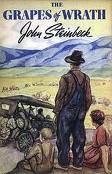
This summer, 11th and 12th grade Advanced Placement students at Wamogo High School are reading The Grapes of Wrath. John Steinbeck developed the novel from a series of articles commissioned in October of 1936 by the San Francisco News under the title “The Harvest Gypsies”. The novel was published in 1939, won the Pulitzer Prize for Steinbeck in 1940, and is largely credited for winning Steinbeck the Nobel Prize for Literature in 1962.

The novel is centered around the story of the Joads, a family forced by economic hardship and drought to abandon their homestead to seek jobs and a future in California. The book chapters alternates between their story and the stories of others, including the point of view of a turtle watching the diaspora of the “Okies”, sharecropper families who fled the Dust Bowl and travelled across the mid-west in search of migrant farm work. Steinbeck’s depiction of the treatment of these migrant workers and the migrant camps was controversial, and he was attacked by political and social organizations from the right and the left. Undeterred, Steinbeck wrote, “I want to put a tag of shame on the greedy bastards who are responsible for this [the Great Depression and its effects].”

Advanced Placement Students in grades 11 & 12 will read this American classic and create a digital museum

In order to understand the social and political turmoil that marked the 1930s, we are having the students organize an online museum of digital artifacts from that decade on a wiki, a website that allows for the collaborative creation and editing of any number of interlinked web pages via a web browser. Students have been organized in teams of three or more and assigned a particular topic from the time period. Topics include:

  1. Okies
  2. Entertainment of the 1930s-Movies-Radio Shows
  3. Herbert Hoover-The Crash of 1929
  4. Franklin Delano Roosevelt
  5. Journalism in the 30s-William Randolph Hearst-Dorthea Lange
  6. John Steinbeck-the author
  7. Migrant Workers-Farming in California 1930s
  8. Hoovervilles-Weedpatch-Community Associations within the Camps
  9. 1930 Fashion
  10. Dustbowl
  11. Works Project Administration in the 1930s
  12. Woolworth-General Store
  13. Sears Catalog and other Catalogs
  14. Music of the 1930s–1940s
  15. Route 66-Jalopies- Truckstops and Cafes

Click here to see a sample of one of the online museum pages from past years.

In doing this project, students are able to become an “expert” on one of the topics explored in the novel. They scan the Internet looking for primary documents, videos, audio recordings, photos, and art from the 1930s. For example, the Library of Congress website and the Internet Archives website  are excellent sources for digital museum artifacts. Members of the team embed these digital items onto a wiki page and make the page attractive for the reader. Each page must have the bibliographic information; links to other web pages are also permitted. Once the topic pages are completed, every team will have a chance to reflect and review their own web page and the other web pages created by other teams. Using wiki software, students are able to build a body of knowledge that helps them better understand the context that created Steinbeck’s novel.

We have several copies of The Grapes of Wrath on our library shelves; some editions are newer than others. There was a special 50th anniversary publication published in 1989, and the book received an Oprah “bump” when another Steinbeck classic, East of Eden, was picked for her book club in 2003. I will pick up copies at used book stores that are in very good to excellent condition only. The full text of the book was scanned by Google as part of their efforts to make the world’s great books available online, so I can place the link to the text on the same wiki webpages as the online museum. Students can choose to read a hard copy or a digital copy of the text.

This book should only be assigned for summer reading to students who expect to encounter a more challenging text.  The alternating narrative points of view and the length of the text can be stumbling blocks to an inexperienced reader. However, there is the opportunity to have students draw connections from the 1930s to today’s current economic difficulties and political problems. For example, in Chapter 25, food crops are destroyed in order to keep the prices high. This chapter contains the title phrase, “…and in the eyes of the hungry there is a growing wrath. In the souls of the people the grapes of wrath are filling and growing heavy, growing heavy for the vintage.” Steinbeck’s biblical allusion to social justice and workers is powerful and current in the light of statistically high unemployment today. He also incorporates environmental complications, issues in immigration and migration, and the role of government  in ways that reverberate in the politics of America today.

The novel will be 75 years old in 2014 and celebrate its centennial in 2039. Political issues facing America in the future will differ from today, however, Steinbeck’s The Grapes of Wrath can inform every generation about the clash between the promises of democracy and stark economic realities. Steinbeck himself noted the power of this novel when he said,  “I’ve done my damndest to rip a reader’s nerves to rags.”